/
•
•
Detailed stories on technology startups, business and economic current affairs.
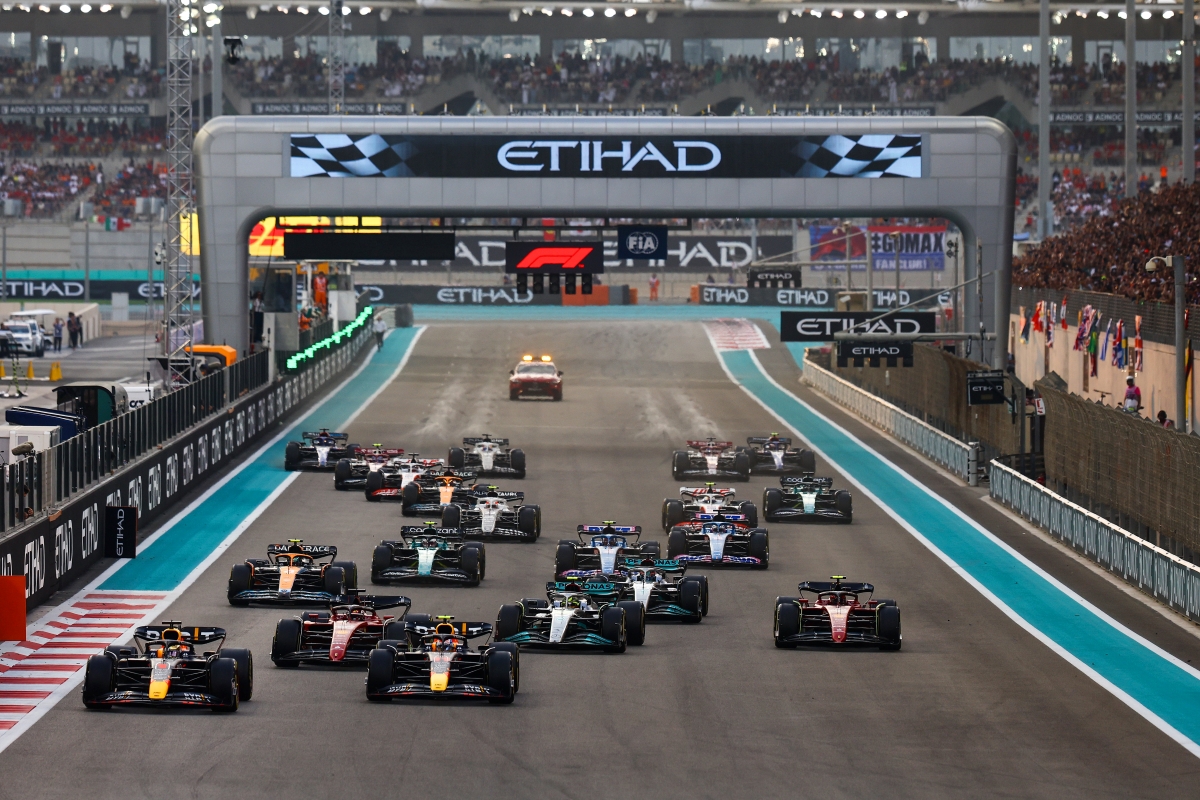
The IAF is staring at a critical shortage of fighter jets by the end of the 2020s, which will not only hamper its operational capabilities, but also leave it vulnerable against two hostile neighbours.



Editor's note: Last week was the fourth anniversary of the Balakot episode, which would be more popularly remembered for the impressively moustached Wing Commander Abhinandan Varthaman and his fearless antics in Pakistani captivity than the missile threats it generated. The date went past mostly unnoticed, though it would have been a good opportunity to honestly appraise the Indian Air Force’s performance during that episode. From damaging the seminary at Balakot to shooting down its own helicopter and losing a fighter jet in an aerial clash that resulted in a pilot in Pakistani captivity, the list of unanswered questions runs long. If there was a serious discussion about the IAF, the spotlight would have moved to the equally critical subject of the shortfall in its combat capabilities. As is well known, the IAF is authorized 42 squadrons of fighter jets—even though it had earlier assessed that it needs 60—to deal with a two-front collusive threat from Pakistan and China. Currently, it has only 31 squadrons. Does shortfall matter? The “fighter shortage is now critical.” Those were the words of the Chief of Air …
The IAF is staring at a critical shortage of fighter jets by the end of the 2020s, which will not only hamper its operational capabilities, but also leave it vulnerable against two hostile neighbours.
Editor's note: Last week was the fourth anniversary of the Balakot episode, which would be more popularly remembered for the impressively moustached Wing Commander Abhinandan Varthaman and his fearless antics in Pakistani captivity than the missile threats it generated. The date went past mostly unnoticed, though it would have been a good opportunity to honestly appraise the Indian Air Force’s performance during that episode. From damaging the seminary at Balakot to shooting down its own helicopter and losing a fighter jet in an aerial clash that resulted in a pilot in Pakistani captivity, the list of unanswered questions runs long. If there was a serious discussion about the IAF, the spotlight would have moved to the equally critical subject of the shortfall in its combat capabilities. As is well known, the IAF is authorized 42 squadrons of fighter jets—even though it had earlier assessed that it needs 60—to deal with a two-front collusive threat from Pakistan and China. Currently, it has only 31 squadrons. Does shortfall matter? The “fighter shortage is now critical.” Those were the words of the Chief of Air …
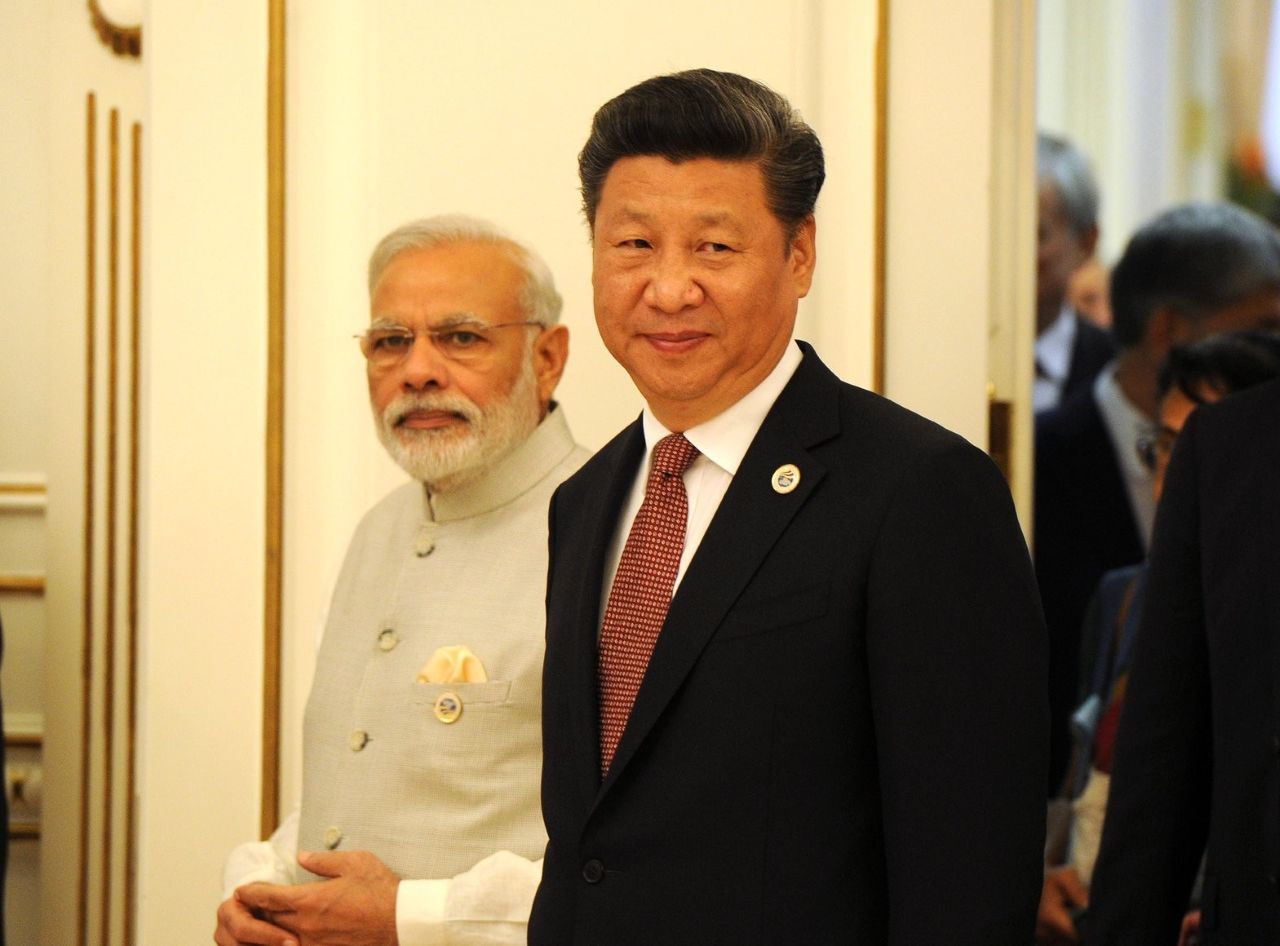
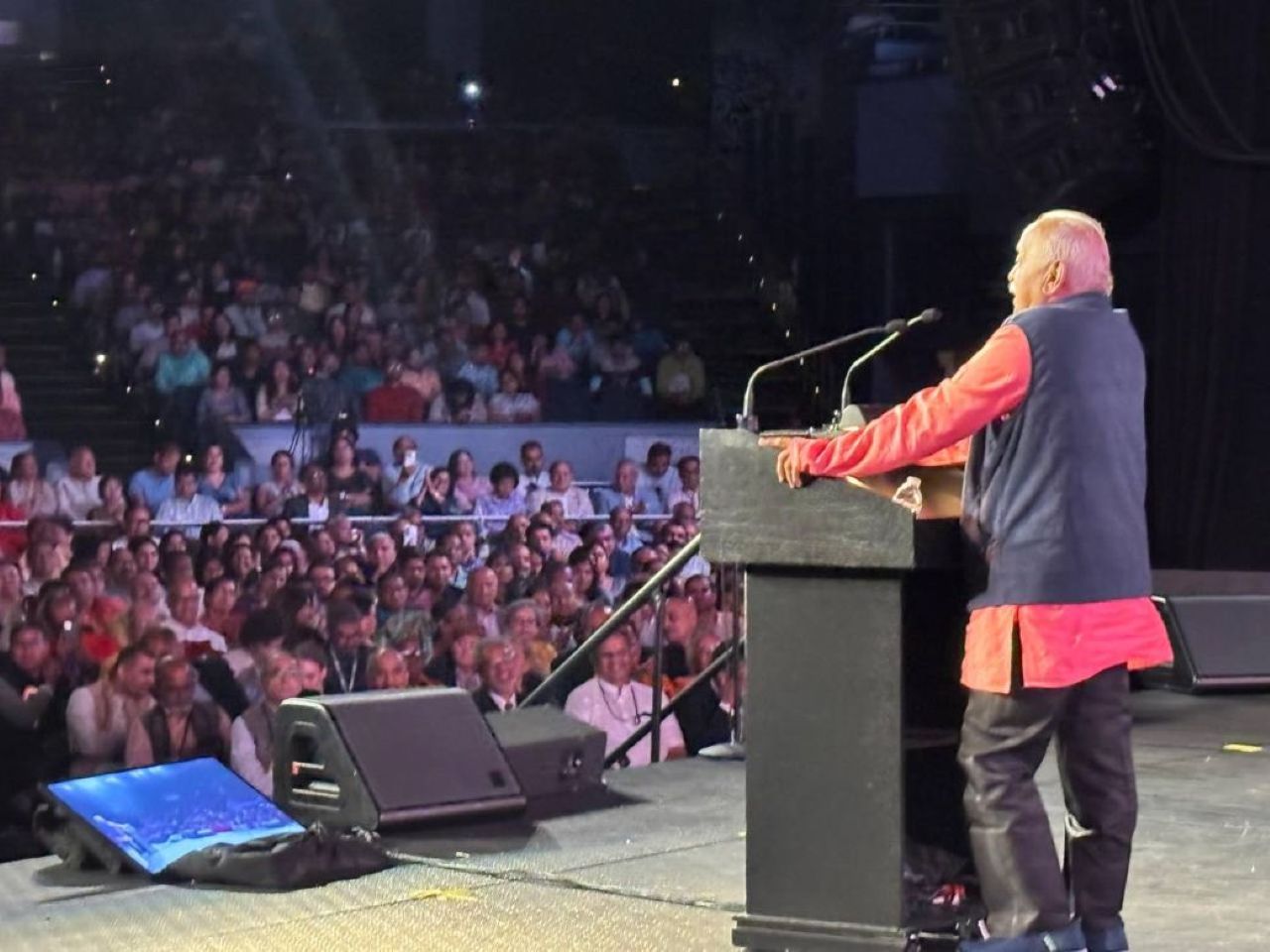
Chinese diplomats to India are saying all the right things for Indian ears, but Beijing’s policy actions are moving in the opposite direction.
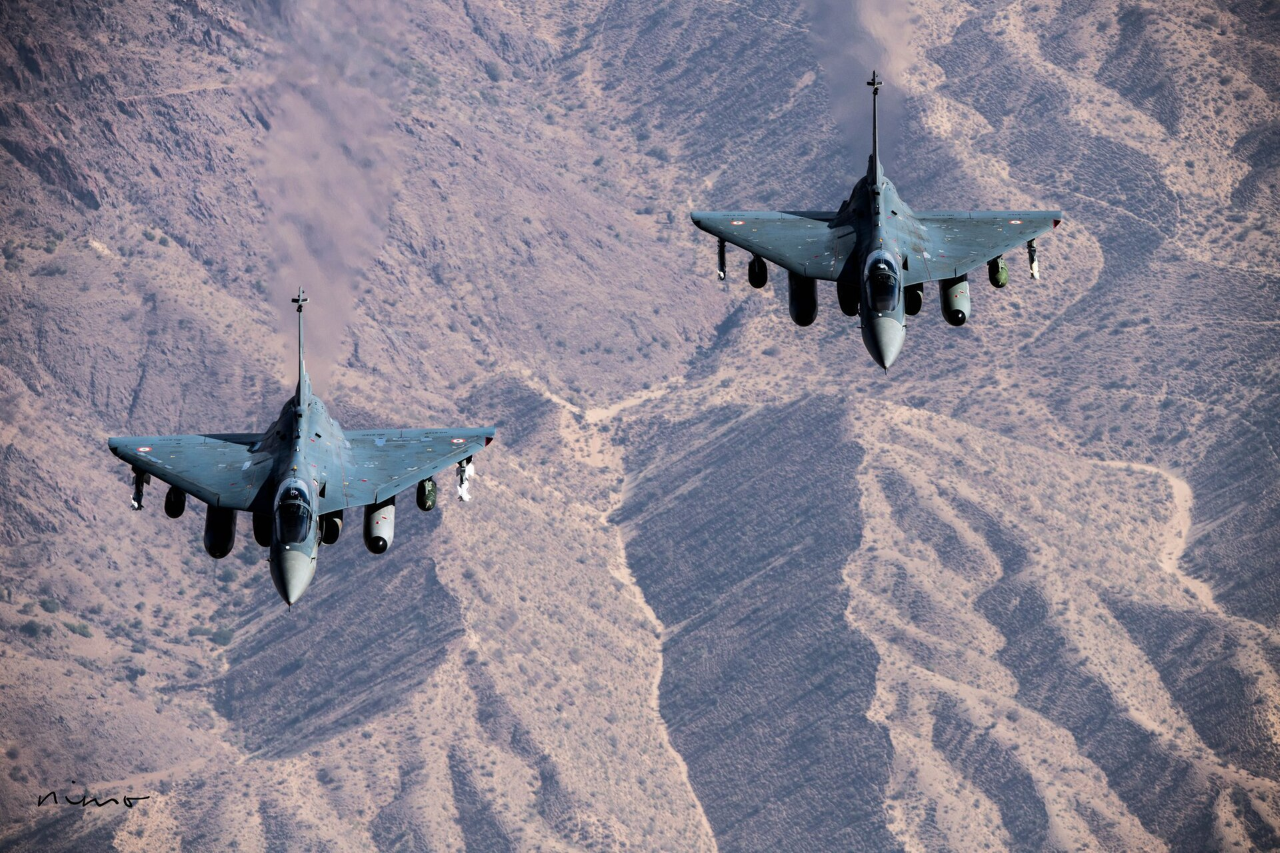
The country's fighter jet roadmap rests on imported propulsion, leaving its military plans hostage to cost shocks, delays and geopolitics.
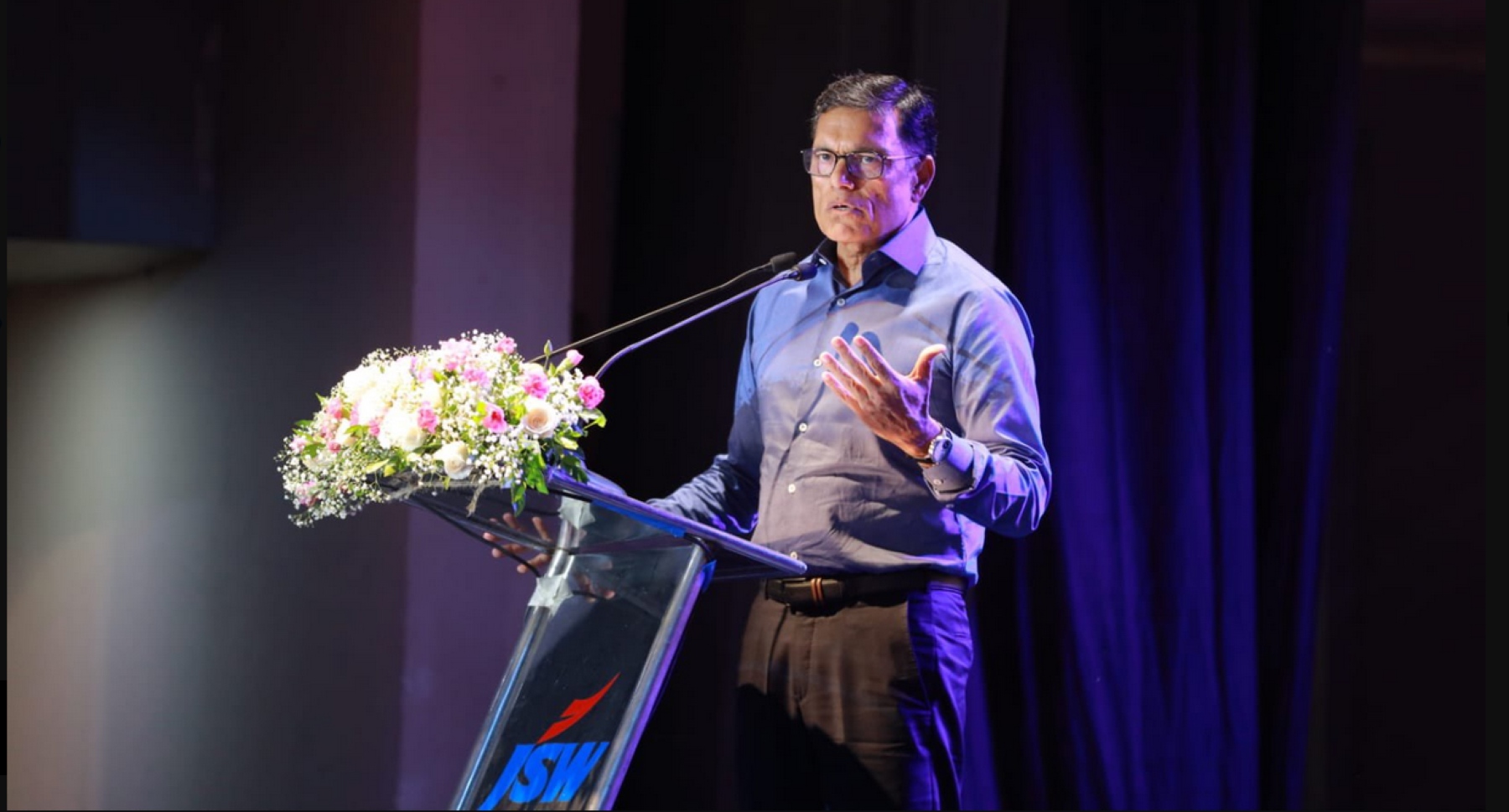
The JSW Steel founder is embarking on an unprecedented expansion, betting on Japan’s JFE and Korea’s POSCO to share the load. But rivalries, debt and market risks could complicate the plan.
Chinese diplomats to India are saying all the right things for Indian ears, but Beijing’s policy actions are moving in the opposite direction.
The country's fighter jet roadmap rests on imported propulsion, leaving its military plans hostage to cost shocks, delays and geopolitics.
The JSW Steel founder is embarking on an unprecedented expansion, betting on Japan’s JFE and Korea’s POSCO to share the load. But rivalries, debt and market risks could complicate the plan.