/
•
•
Detailed stories on technology startups, business and economic current affairs.
A stiff duty on import of solar equipment, effective since April 2022, has triggered a supply crunch in India’s sunshine sector.



Editor's note: On the face of it, it looks like good news. In the current financial year, which ends on 31 March, Indian companies have emerged as the top suppliers of solar panels in the country. Chinese firms, which have dominated supplies for a decade or more, have fallen behind. The goal of “atmanirbhar Bharat”, or self-reliant India, appears to have been achieved, at least in this aspect. In reality, this isn’t great news—neither for Indian suppliers nor for India’s self-sufficiency goals. The rise of the Indian firms isn’t explained by a rise per se—their supplied quantities have not surpassed those of China. It is that the Chinese suppliers have dropped out of the race. It speaks of a slowdown that has beset India’s solar energy sector and is expected to play out over 2023. It will put the brakes on solar installations at a time when they should have accelerated, particularly given India’s commitments at UN climate conferences. And it is a situation that is playing out like the plot of Gabriel Garcia Marquez’s “Chronicle of a Death Foretold”. In it, …
A stiff duty on import of solar equipment, effective since April 2022, has triggered a supply crunch in India’s sunshine sector.
Editor's note: On the face of it, it looks like good news. In the current financial year, which ends on 31 March, Indian companies have emerged as the top suppliers of solar panels in the country. Chinese firms, which have dominated supplies for a decade or more, have fallen behind. The goal of “atmanirbhar Bharat”, or self-reliant India, appears to have been achieved, at least in this aspect. In reality, this isn’t great news—neither for Indian suppliers nor for India’s self-sufficiency goals. The rise of the Indian firms isn’t explained by a rise per se—their supplied quantities have not surpassed those of China. It is that the Chinese suppliers have dropped out of the race. It speaks of a slowdown that has beset India’s solar energy sector and is expected to play out over 2023. It will put the brakes on solar installations at a time when they should have accelerated, particularly given India’s commitments at UN climate conferences. And it is a situation that is playing out like the plot of Gabriel Garcia Marquez’s “Chronicle of a Death Foretold”. In it, …
Chinese diplomats to India are saying all the right things for Indian ears, but Beijing’s policy actions are moving in the opposite direction.
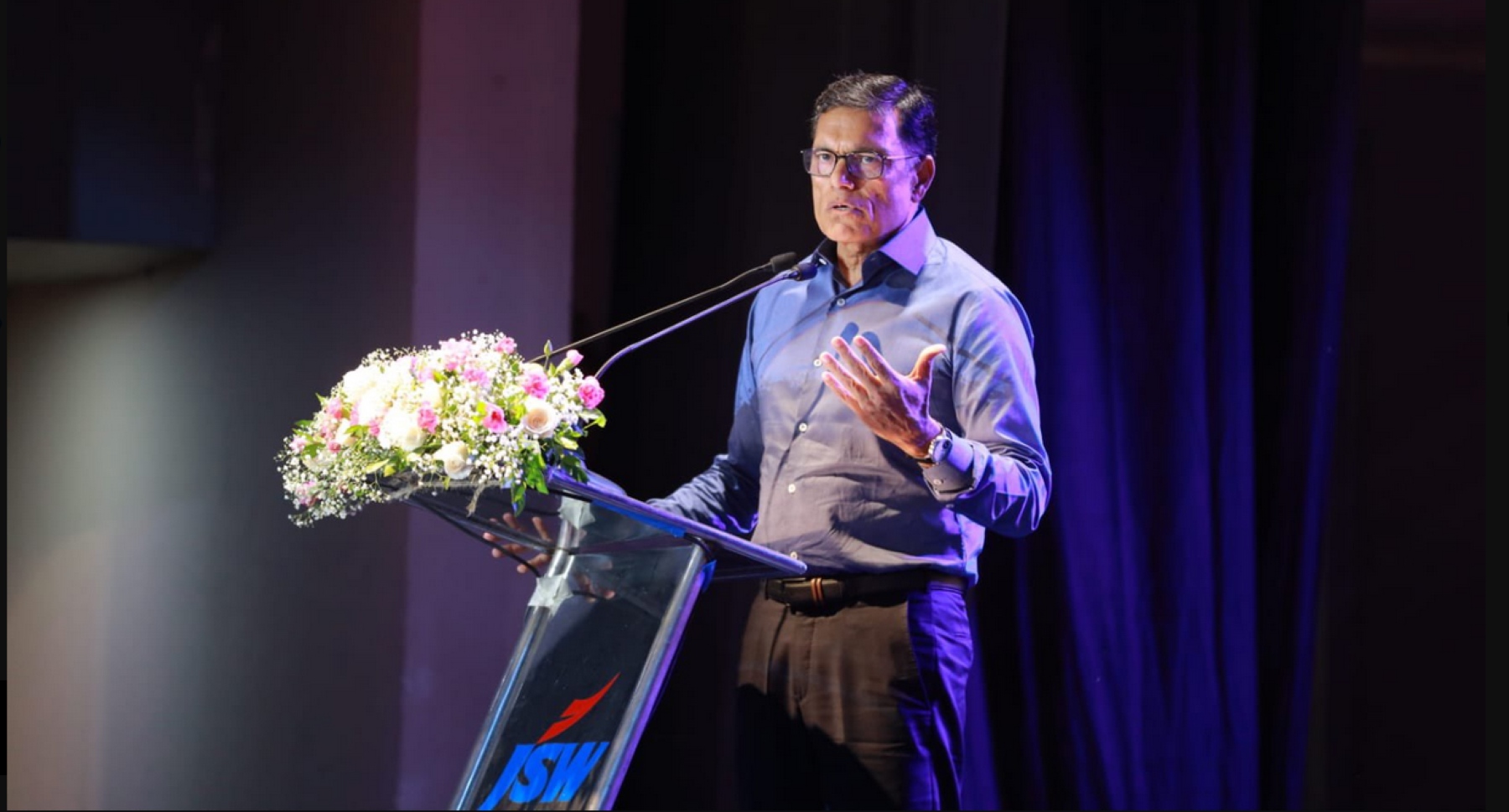
The JSW Steel founder is embarking on an unprecedented expansion, betting on Japan’s JFE and Korea’s POSCO to share the load. But rivalries, debt and market risks could complicate the plan.

The listed hospitality group sees a drop in revenue and profit in the first quarter. Separately, China steps up engagement with Saudi Arabia and the UAE.
Chinese diplomats to India are saying all the right things for Indian ears, but Beijing’s policy actions are moving in the opposite direction.
The JSW Steel founder is embarking on an unprecedented expansion, betting on Japan’s JFE and Korea’s POSCO to share the load. But rivalries, debt and market risks could complicate the plan.
The listed hospitality group sees a drop in revenue and profit in the first quarter. Separately, China steps up engagement with Saudi Arabia and the UAE.