/
•
•
Detailed stories on technology startups, business and economic current affairs.
Indian beauty startups are all the rage with investors right now. Will they manage to offer a measure of differentiation and thrive or go the way travel companies did some years ago and get swallowed up?



Editor's note: It’s the kind of money that makes at least a few heads turn. In just the last one month, two beauty startups have made headlines with their latest funding rounds. And the amounts involved are nothing to be sneezed at. Let’s start with close to four-year-old online beauty and cosmetics company MyGlamm. A couple of weeks ago, e-commerce giant Amazon backed MyGlamm in a Rs 175 crore funding round, along with Ascent Capital and Wipro Consumer. This investment is a first by Amazon—the company has been looking for such a deal for a few months now—in the Indian beauty startup ecosystem. For MyGlamm, which has largely kept a low profile all these years, this fundraise means a valuation of more than $100 million (about Rs 730 crore) and chance to play in the big leagues. If that sounds impressive, the second announcement actually goes a step further. Purplle, an online beauty store, has raised $45 million (about Rs 326 crore) from Sequoia Capital India and existing investors Verlinvest, Blume Ventures, and JSW Ventures, the company said in a release. The …

Indian beauty startups are all the rage with investors right now. Will they manage to offer a measure of differentiation and thrive or go the way travel companies did some years ago and get swallowed up?
Editor's note: It’s the kind of money that makes at least a few heads turn. In just the last one month, two beauty startups have made headlines with their latest funding rounds. And the amounts involved are nothing to be sneezed at. Let’s start with close to four-year-old online beauty and cosmetics company MyGlamm. A couple of weeks ago, e-commerce giant Amazon backed MyGlamm in a Rs 175 crore funding round, along with Ascent Capital and Wipro Consumer. This investment is a first by Amazon—the company has been looking for such a deal for a few months now—in the Indian beauty startup ecosystem. For MyGlamm, which has largely kept a low profile all these years, this fundraise means a valuation of more than $100 million (about Rs 730 crore) and chance to play in the big leagues. If that sounds impressive, the second announcement actually goes a step further. Purplle, an online beauty store, has raised $45 million (about Rs 326 crore) from Sequoia Capital India and existing investors Verlinvest, Blume Ventures, and JSW Ventures, the company said in a release. The …

After 15 years, more than $550 million in funding and over $200 million in revenue, the cloud kitchen startup must find a way to make a profit and go public. Grover is the man Rebel has chosen for the job.

In less than two years, the instant delivery startup that puts quality above all else has attracted marquee VC investors, earning a valuation of $255 million. How far the niche bet will take it is anybody’s guess.
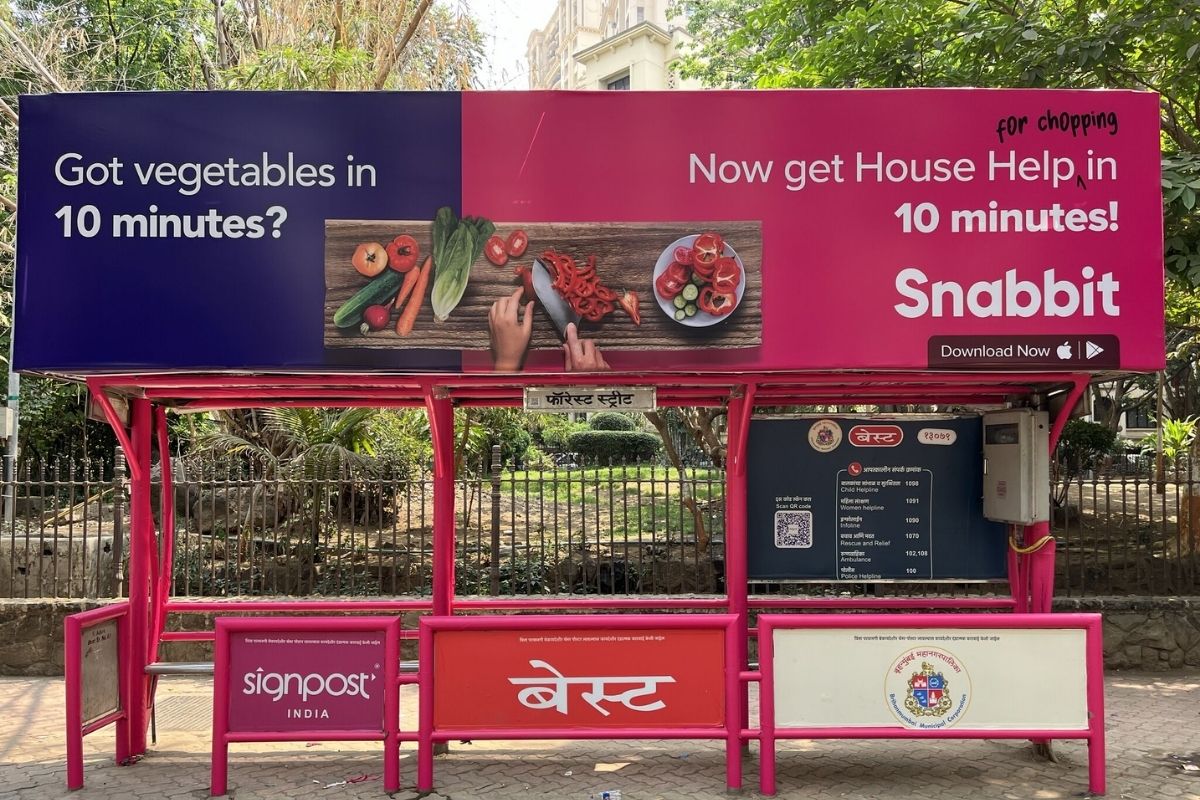
Pricing constraints and uncertain daily-use demand cast doubt on instant help’s ability to replicate quick commerce.
After 15 years, more than $550 million in funding and over $200 million in revenue, the cloud kitchen startup must find a way to make a profit and go public. Grover is the man Rebel has chosen for the job.
In less than two years, the instant delivery startup that puts quality above all else has attracted marquee VC investors, earning a valuation of $255 million. How far the niche bet will take it is anybody’s guess.
Pricing constraints and uncertain daily-use demand cast doubt on instant help’s ability to replicate quick commerce.