/
•
•
Detailed stories on technology startups, business and economic current affairs.
Pricing constraints and uncertain daily-use demand cast doubt on instant help’s ability to replicate quick commerce.


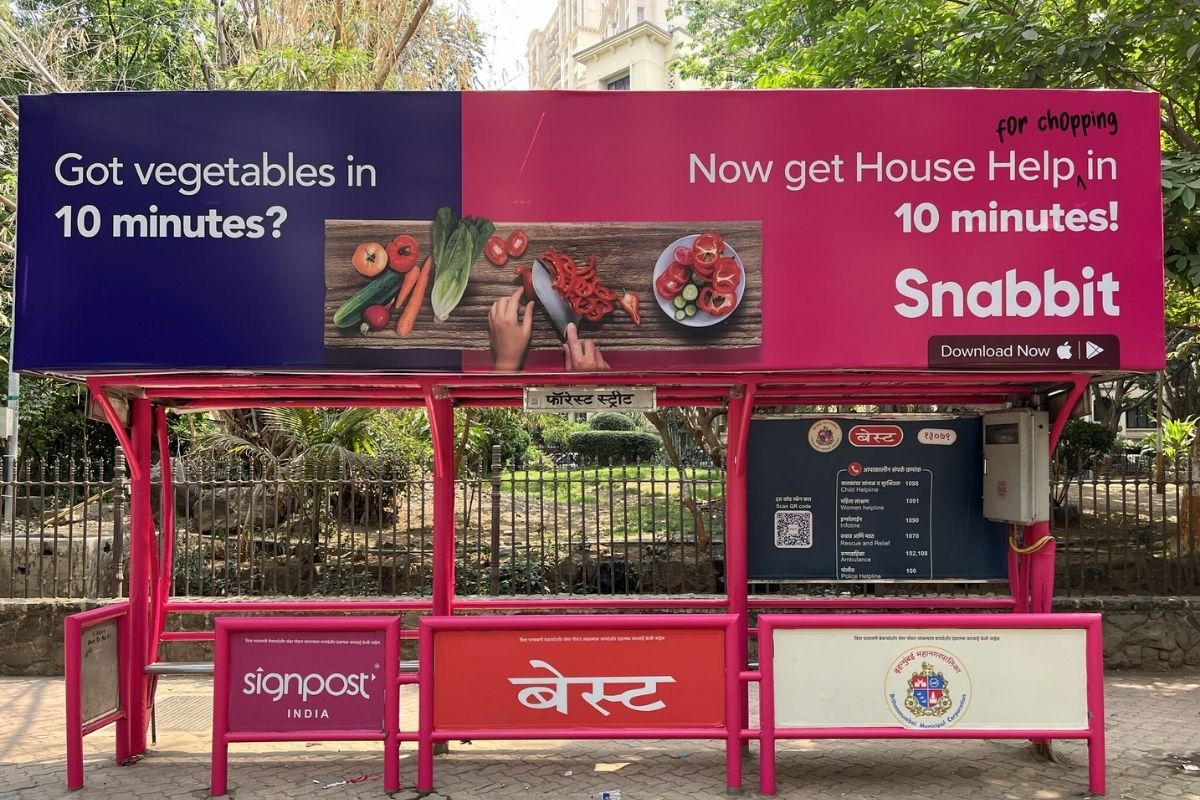
When Urban Company reported its FY27 first-quarter earnings less than two weeks ago, one number, in particular, stood out—its estimate for InstaHelp, the company’s instant house help business. In its shareholder letter, Urban Company said:
“We believe the long-term addressable market across the top 15 Indian cities is approximately ₹7,000-12,000 Cr. of annual NTV [net transaction value], depending primarily on how effectively the service expands beyond high-density neighbourhoods.”
Put simply, the Gurugram-headquartered firm is pegging the market for instant house help in India’s top cities at a ceiling of Rs 12,000 crore, or $1.2 billion. And, that too in …

The contrasting approaches are driven by two very different strategies. One wants to capture more markets; the other is focused on discipline and profits.
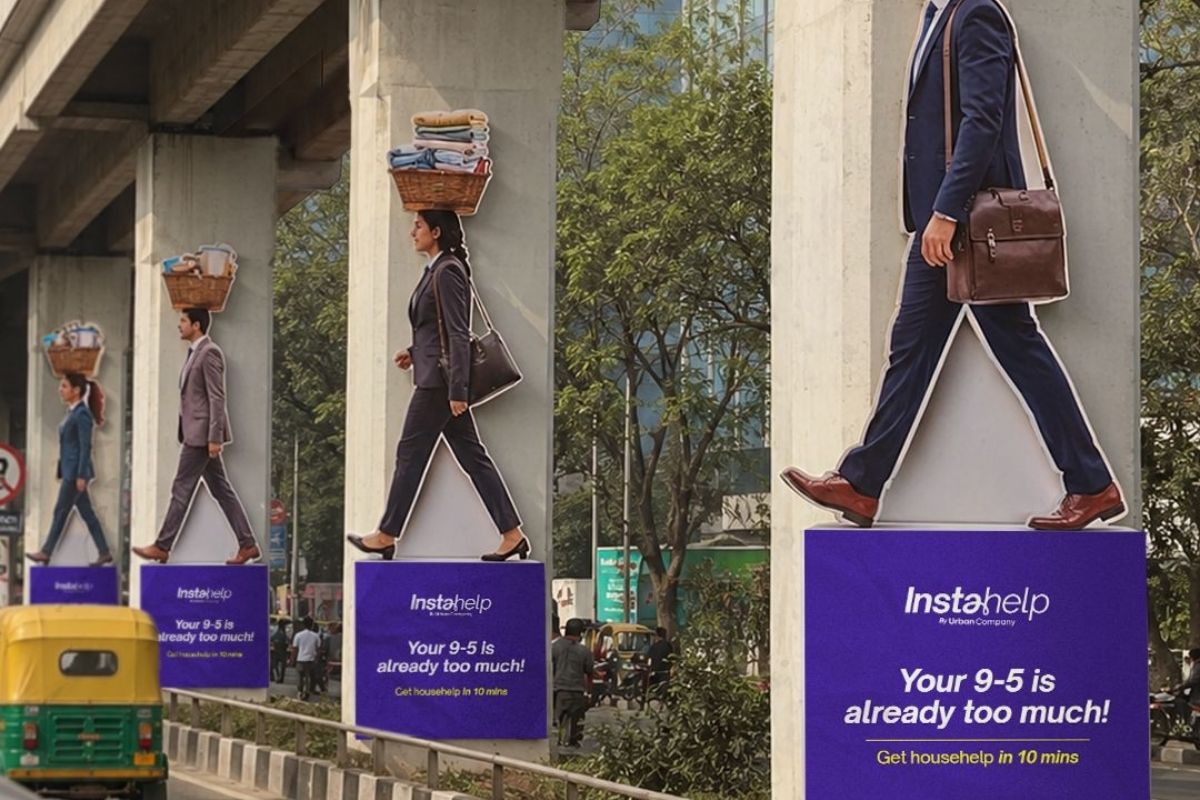
The instant house help business has become the centre of focus and investment at the home services company. But another fight may be brewing in its core business.

India’s grocery and food delivery platforms are increasingly displaying misleading images of food using artificial intelligence, defeating the very purpose of buying online.