/
•
•
Detailed stories on technology startups, business and economic current affairs.
The legal ground for blocking mobile apps based on country of origin is shaky at best.




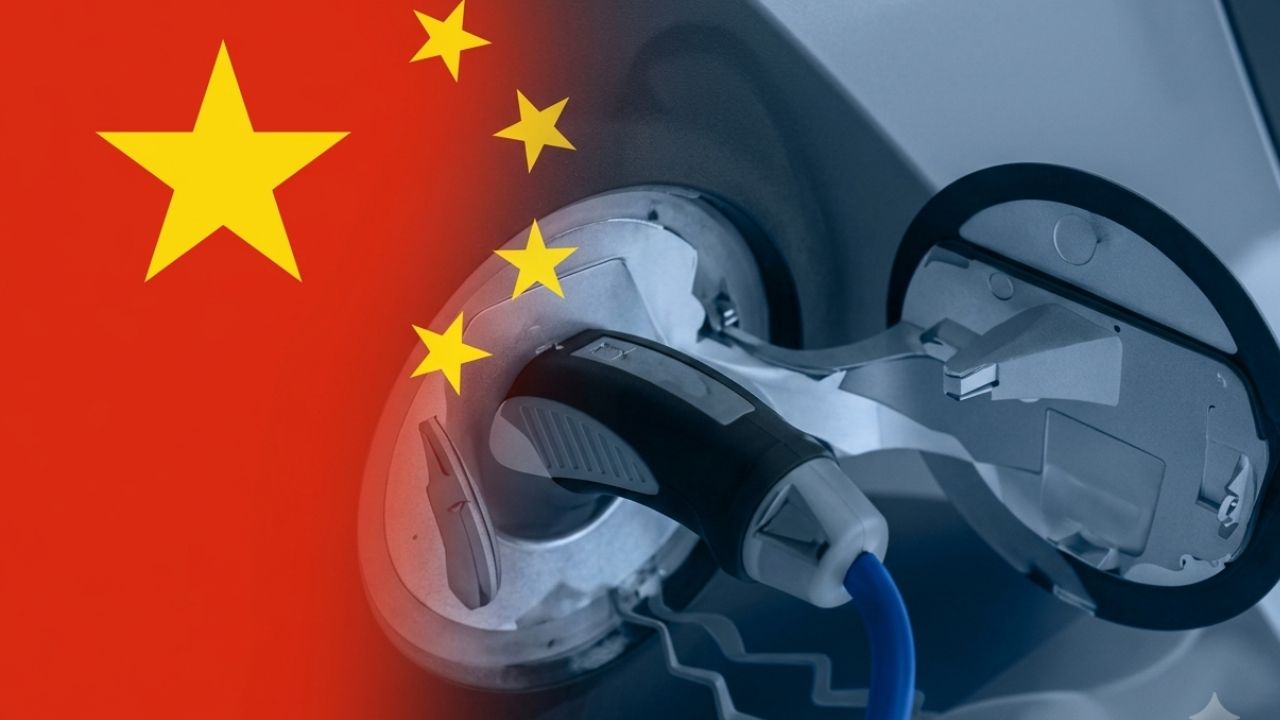
It all began in mid-2020, when the government, citing security threats, banned a plethora of apps developed or owned by Chinese companies, including viral video app TikTok.
The ban was executed by the Ministry of Electronics and Information Technology, which said it had been receiving “many complaints from various sources” about apps that were “stealing and surreptitiously transmitting users’ data in an unauthorized manner”, though none of its communications said to which country data was being transmitted.
Nearly two years on, not much seems to have changed. Arbitrary bans of apps with Chinese origin or sometimes even vague association continue, …
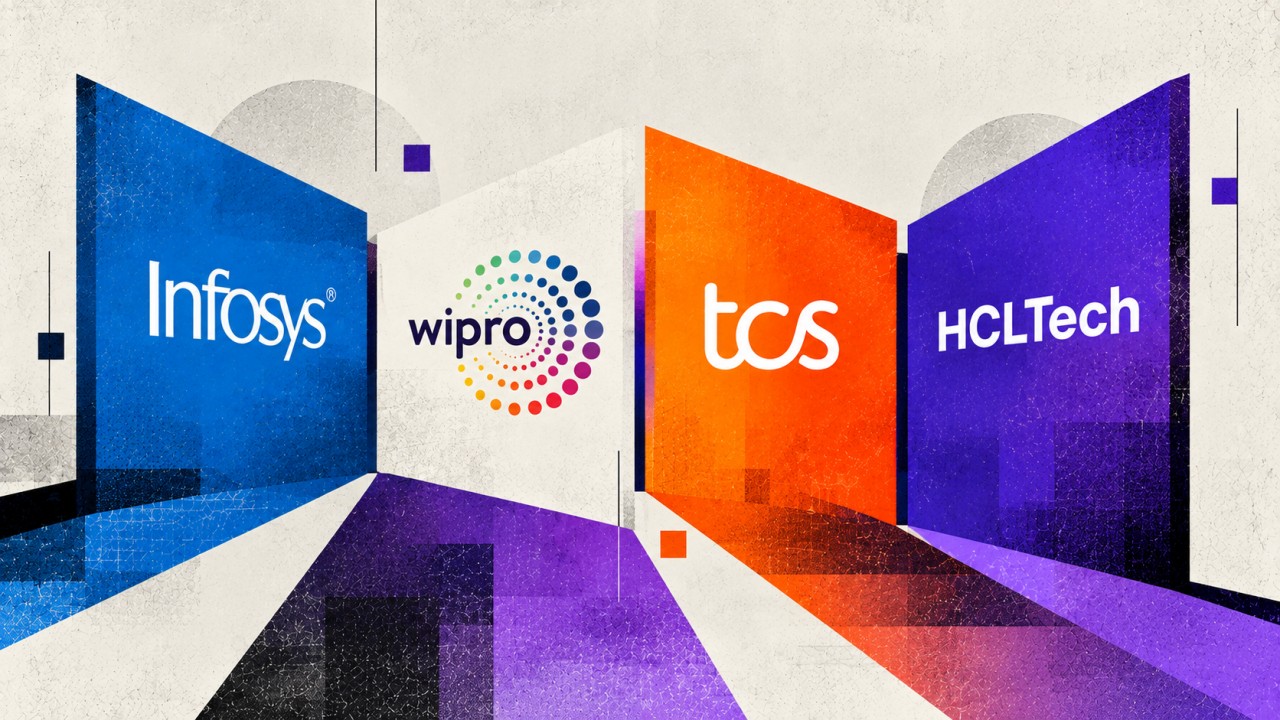
Once seen as a threat, global capability centres appear to be becoming a potential growth driver for the country’s IT giants.
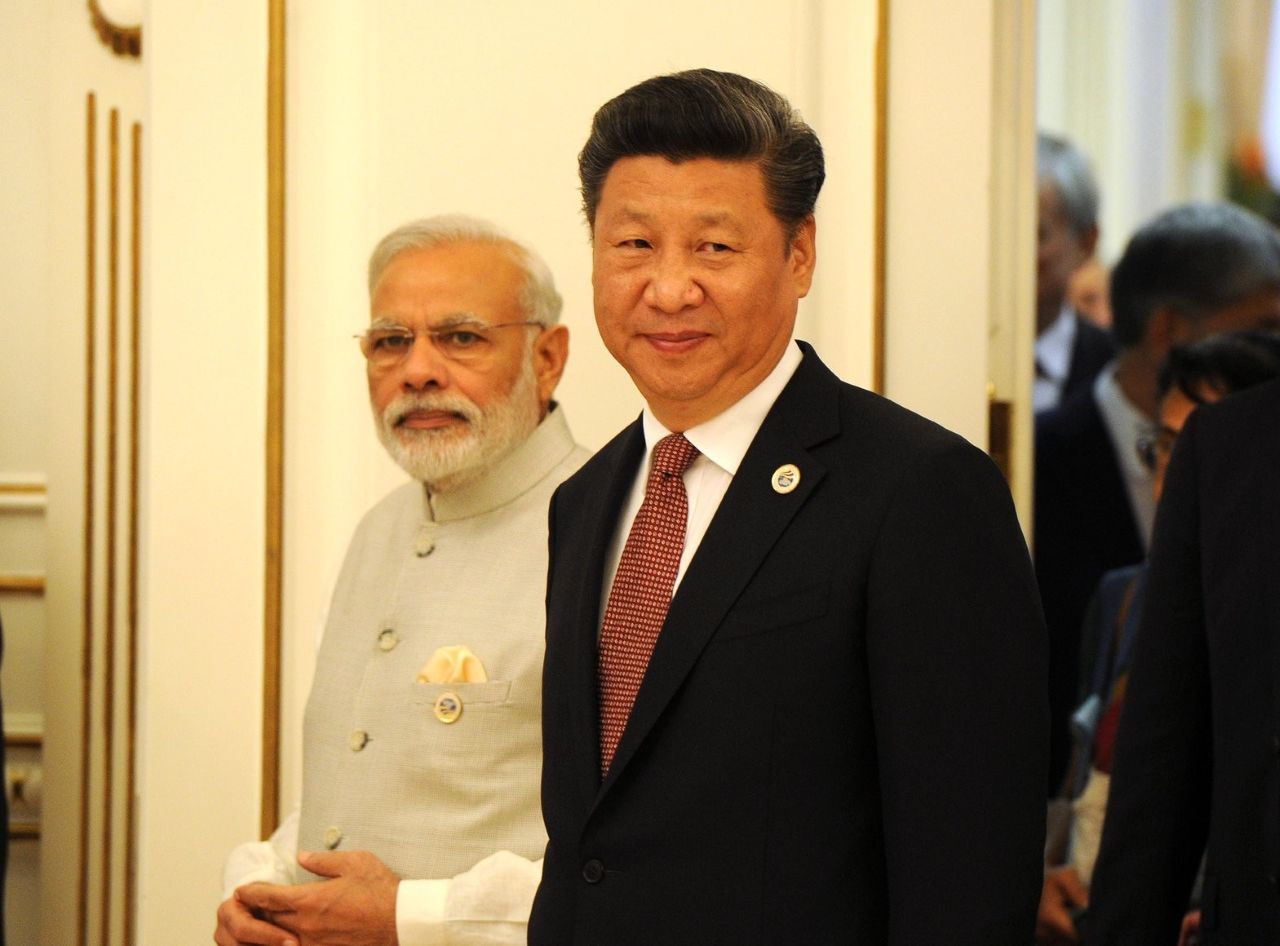
Chinese diplomats to India are saying all the right things for Indian ears, but Beijing’s policy actions are moving in the opposite direction.

The JSW Steel founder is embarking on an unprecedented expansion, betting on Japan’s JFE and Korea’s POSCO to share the load. But rivalries, debt and market risks could complicate the plan.