/
•
•
Detailed stories on technology startups, business and economic current affairs.
A puzzling equity buyback scheme, a part-time CEO and a business that has never been more vulnerable (you only have to look at Uber) are all red flags in the run-up to Ola going public.



Editor's note: It was a simple question to begin with and one where my expectations were low. I mean shareholders rarely complain about their businesses. They think doing so makes them look bad and they care about these things. So they avoid discussing them altogether. It is worse when the subject is the co-founder of a certain unicorn based in Bengaluru. The question? Well, it’s as simple as this: “What is happening with Bhavish Aggarwal? I heard he has been buying equity from his employees at not so great prices.” “Broadly the chap is being super non-transparent,” comes the immediate reply from a shareholder in Ola Cabs’s parent ANI Technologies Pvt. Ltd. We are chatting on WhatsApp and there’s more typing. “He created electric out of thin air. Ditched his co-founder, early investors and others and took money from a select few. And he is now buying secondary at some hundred different price points. And no one really knows anything or who is selling at what price.” If you’ve ever been to a place that stinks, you know the feeling. A second …
A puzzling equity buyback scheme, a part-time CEO and a business that has never been more vulnerable (you only have to look at Uber) are all red flags in the run-up to Ola going public.
Editor's note: It was a simple question to begin with and one where my expectations were low. I mean shareholders rarely complain about their businesses. They think doing so makes them look bad and they care about these things. So they avoid discussing them altogether. It is worse when the subject is the co-founder of a certain unicorn based in Bengaluru. The question? Well, it’s as simple as this: “What is happening with Bhavish Aggarwal? I heard he has been buying equity from his employees at not so great prices.” “Broadly the chap is being super non-transparent,” comes the immediate reply from a shareholder in Ola Cabs’s parent ANI Technologies Pvt. Ltd. We are chatting on WhatsApp and there’s more typing. “He created electric out of thin air. Ditched his co-founder, early investors and others and took money from a select few. And he is now buying secondary at some hundred different price points. And no one really knows anything or who is selling at what price.” If you’ve ever been to a place that stinks, you know the feeling. A second …
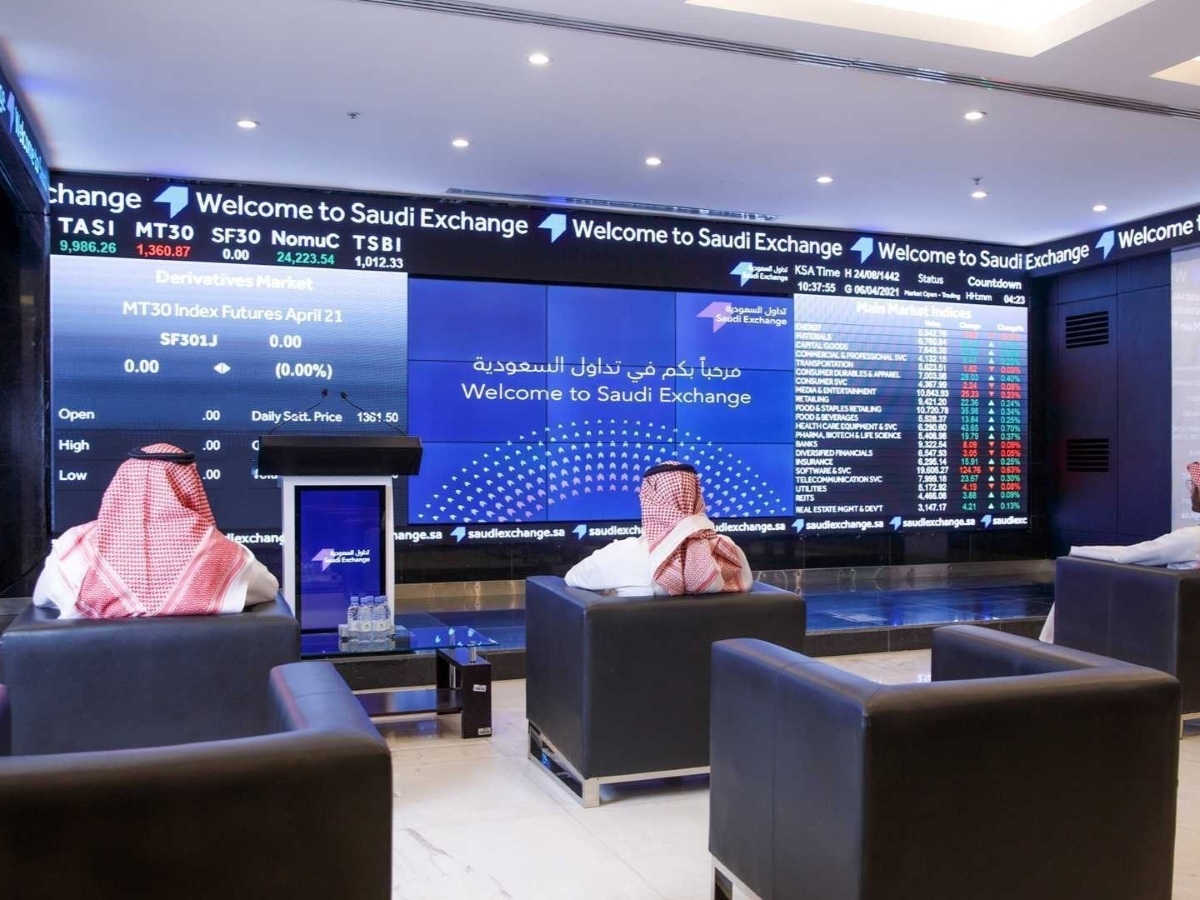
The kingdom is moving to tighten the rules around public listings, algorithmic trading, trading in foreign securities and company disclosures—all in an effort to chase transparency.
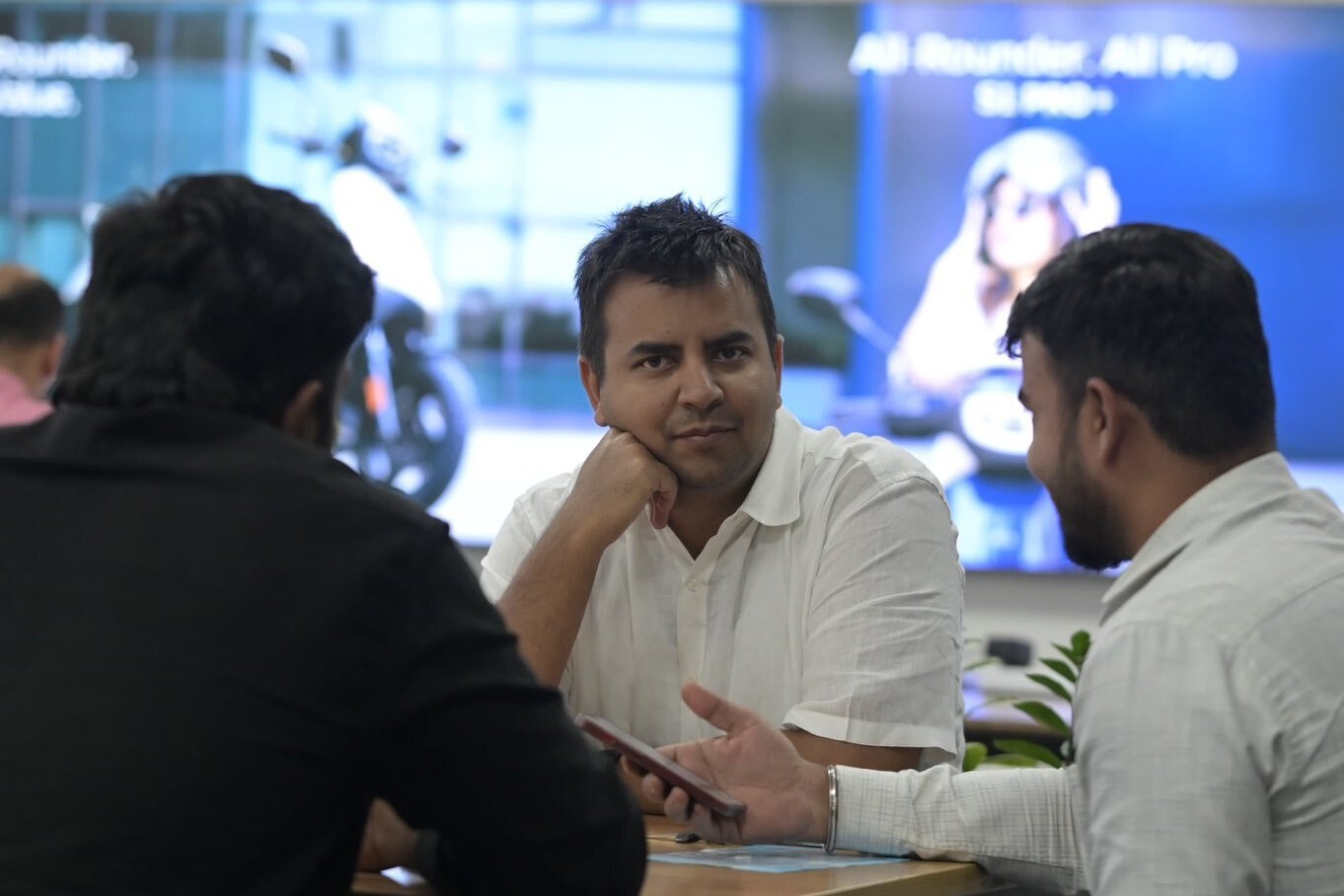
The EV maker is back for fresh capital as its businesses fail to generate enough to sustain themselves.
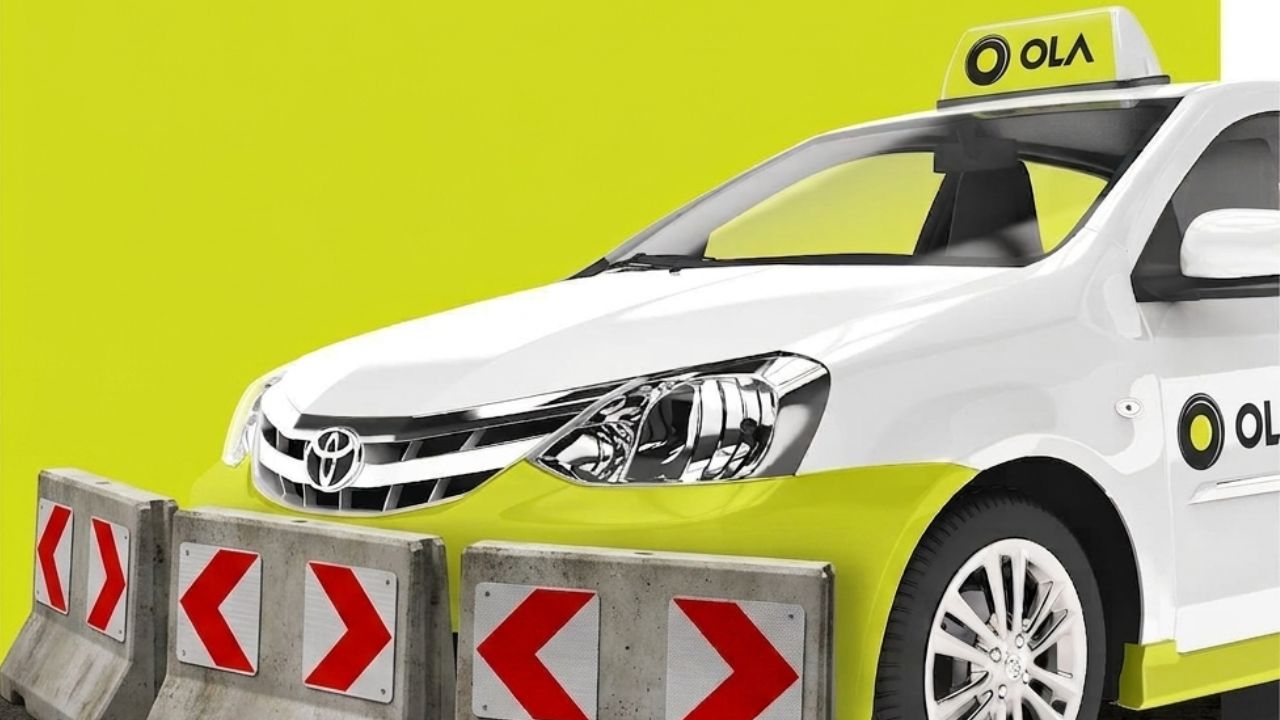
As Rapido and Uber pull ahead, falling traction and mounting financial stress leave Ola with few options.
The kingdom is moving to tighten the rules around public listings, algorithmic trading, trading in foreign securities and company disclosures—all in an effort to chase transparency.
The EV maker is back for fresh capital as its businesses fail to generate enough to sustain themselves.
As Rapido and Uber pull ahead, falling traction and mounting financial stress leave Ola with few options.