/
•
•
Detailed stories on technology startups, business and economic current affairs.
It is increasingly becoming difficult to tell if the rental platform’s problems are because of the pandemic or chinks in its business model.




NestAway has been getting slammed of late.
Rajeev Kumar says he has had it with the online rental platform. The IT professional has been back in his hometown, Patna, for over five months now and just can’t figure out how he can get NestAway to give back the security deposit he put down for the flat he took on rent in Bengaluru. NestAway won’t say if or when it will refund the Rs 60,000 deposit. Kumar has tried everything from calls to emails to social media but the company’s silence would put a corpse to shame.
Kumar’s is not a …
The contrasting approaches are driven by two very different strategies. One wants to capture more markets; the other is focused on discipline and profits.
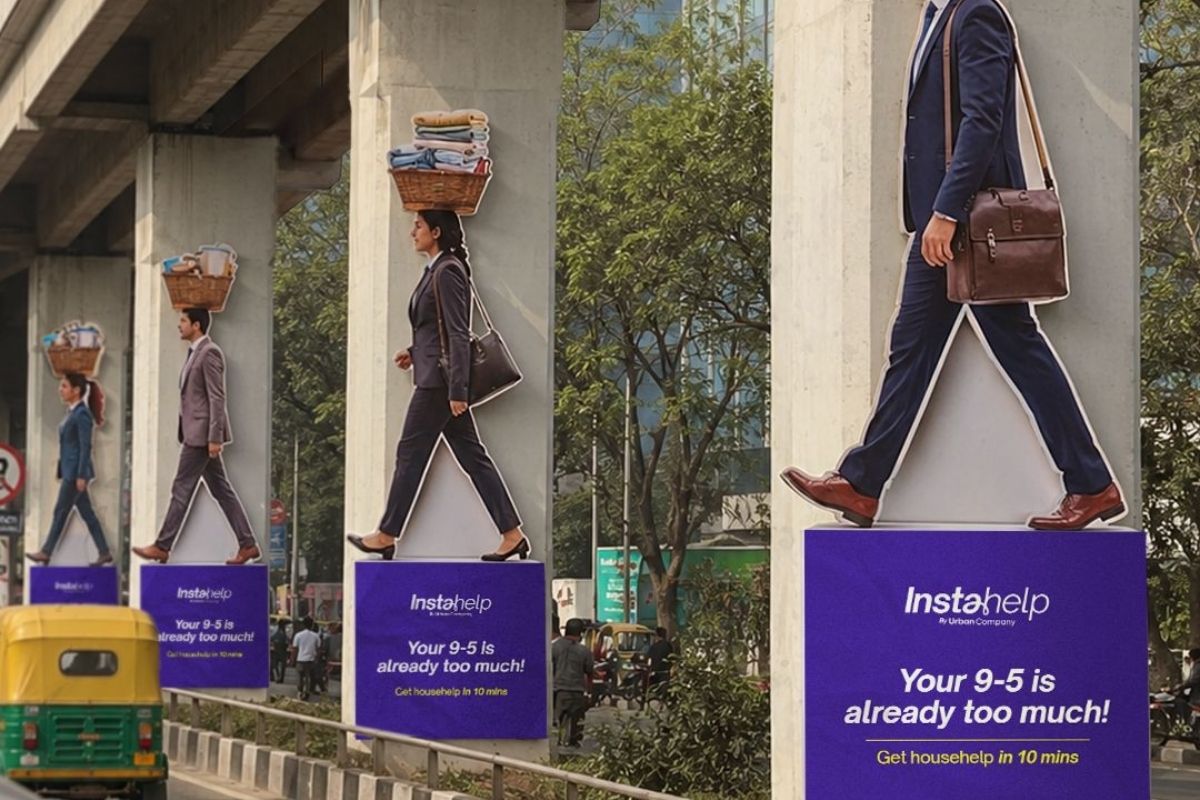
The instant house help business has become the centre of focus and investment at the home services company. But another fight may be brewing in its core business.

India’s grocery and food delivery platforms are increasingly displaying misleading images of food using artificial intelligence, defeating the very purpose of buying online.