/
•
•
Detailed stories on technology startups, business and economic current affairs.
One97 Communications has seen so many twists and turns that it can be easy to miss how the company actually makes its money in 2021.



It is the season of tech IPOs. After Zomato, two digital payments companies, Paytm and MobiKwik, are all set to go public. Three days after Gurugram-based MobiKwik filed its draft red herring prospectus with the markets regulator, its much larger Noida-based rival filed its own DRHP—for a Rs 16,600 crore stock offering, billed as India’s biggest IPO ever.
Last week, we at The Morning Context did a detailed breakdown of MobiKwik’s prospectus—which mainly revolved around their digital credit play. It only made sense for us to do a business-wise breakdown of Paytm, India’s most valuable fintech startup.
A heads-up: Last …
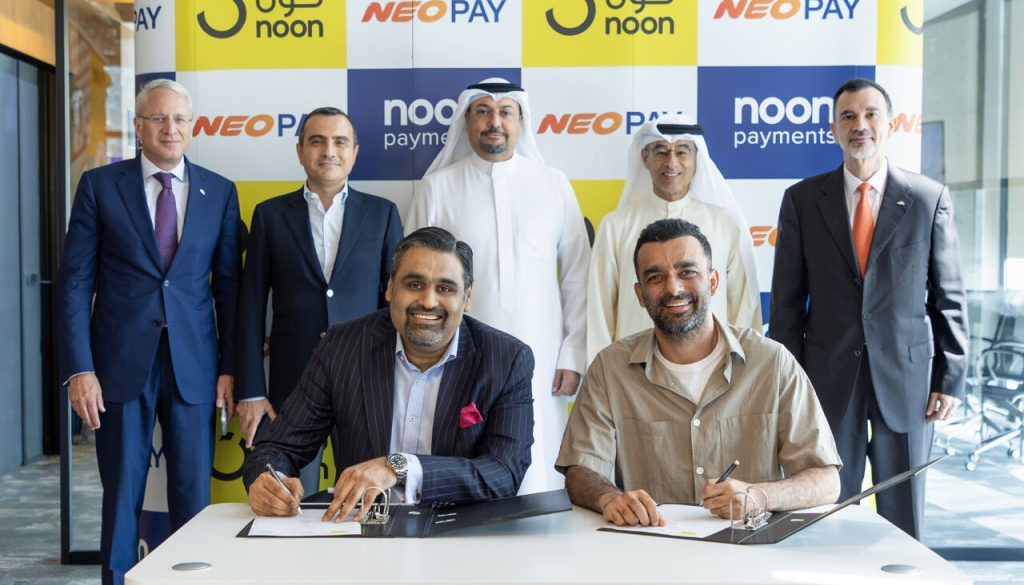
A local fintech deal to consolidate operations, feedback on Saudi Arabia’s proposed IPO rules, and Ras Al Khaimah’s casino economy.

The newly announced levy on UPI payments undermines the very foundation of using digital payments for stock market investing. Brokers are in a tizzy.
A month on, CAS has only amplified volatility, manipulation and confusion rather than containing them.