/
•
•
Detailed stories on technology startups, business and economic current affairs.
Detractors had predicted its death but the company behind brands such as Faasos, Behrouz Biryani and Mandarin Oak has proved them wrong.



Bennett Coleman & Company Ltd is one smart cookie.
In 2016, Faasos Food Services Pvt. Ltd issued three-year warrants to BCCL for Rs 16 crore. Early this year, the company exercised those warrants. (A warrant is a financial instrument that gives one the right to buy, or sell, a security at a certain price within a specific period.) And now, about six months later, BCCL is selling its stake in the company in a secondary transaction. It has appointed an investment banker which has started pitching to high-net-worth individuals, and family offices.
Three industry executives and investors we spoke with …
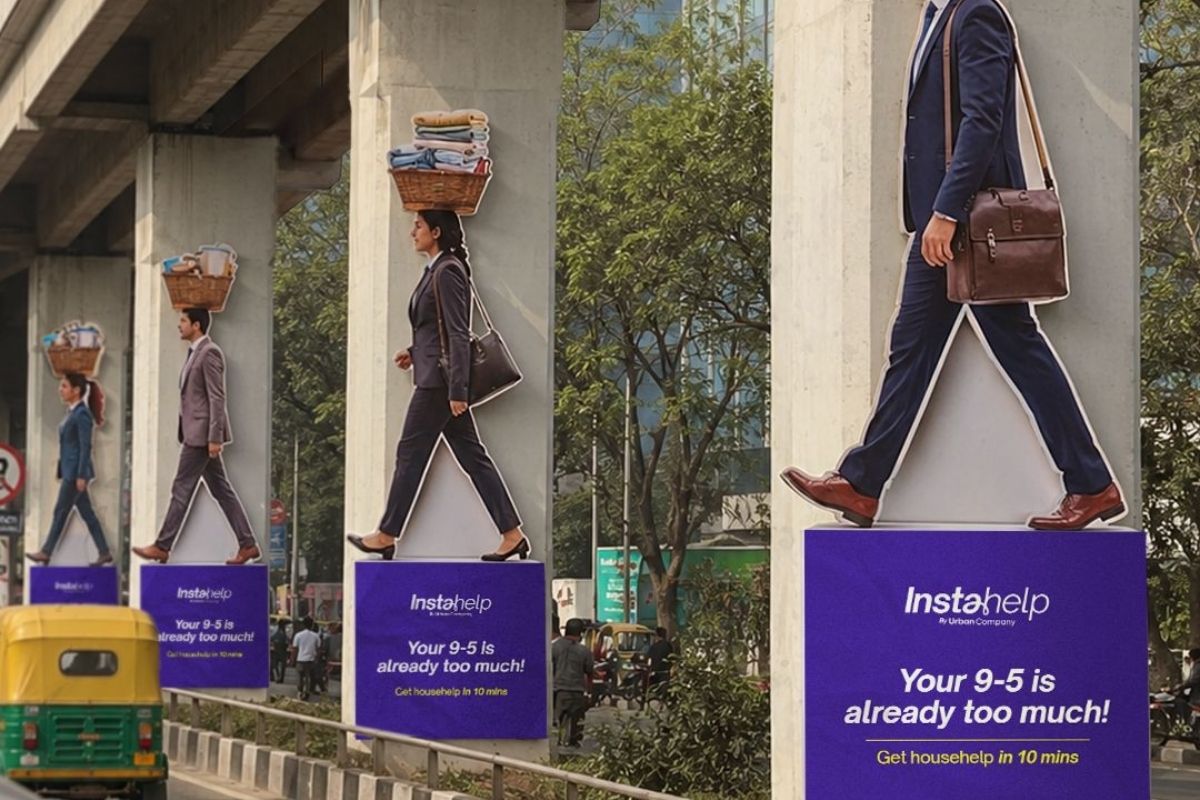
The instant house help business has become the centre of focus and investment at the home services company. But another fight may be brewing in its core business.

India’s grocery and food delivery platforms are increasingly displaying misleading images of food using artificial intelligence, defeating the very purpose of buying online.
Parent AceVector is headed for a public market debut next week. As much as 97% of its revenue comes from two businesses. One is already a listed entity, the other a missed opportunity.