/
•
•
Detailed stories on technology startups, business and economic current affairs.



Editor's note: Vinoo Hinduja isn’t a current favourite with her uncles, G.P. Hinduja, P.P. Hinduja and A.P. Hinduja, and many of her eight cousins. After all, she dared to challenge the collective wisdom of the Hinduja men. This is a family whose corporate site has this line about Gopichand, the co-chairman of the group: “He is married to Sunita and has two sons, Sanjay and Dheeraj, both actively involved in Hinduja Group businesses and a daughter, Rita.” That addendum defines the role of women in most Indian business families. Take Valli Arunachalam. With a doctorate in nuclear engineering and advisory roles on technology to several US companies, the 59-year-old daughter of M.V. Murugappan would be considered a prize catch for most corporate boards. And since she (along with her mother and sister) holds an 8.1% stake in the holding company, her presence on the board should be a formality. Except that Valli is a woman. And the all-male board of the Murugappa group doesn’t want to break its tradition of patriarchy. Even Supreme Court rulings, including one in her case, giving daughters …

Editor's note: Vinoo Hinduja isn’t a current favourite with her uncles, G.P. Hinduja, P.P. Hinduja and A.P. Hinduja, and many of her eight cousins. After all, she dared to challenge the collective wisdom of the Hinduja men. This is a family whose corporate site has this line about Gopichand, the co-chairman of the group: “He is married to Sunita and has two sons, Sanjay and Dheeraj, both actively involved in Hinduja Group businesses and a daughter, Rita.” That addendum defines the role of women in most Indian business families. Take Valli Arunachalam. With a doctorate in nuclear engineering and advisory roles on technology to several US companies, the 59-year-old daughter of M.V. Murugappan would be considered a prize catch for most corporate boards. And since she (along with her mother and sister) holds an 8.1% stake in the holding company, her presence on the board should be a formality. Except that Valli is a woman. And the all-male board of the Murugappa group doesn’t want to break its tradition of patriarchy. Even Supreme Court rulings, including one in her case, giving daughters …

As the private lender reeled from serial scandals, Hinduja insisted he was merely a shareholder. Board-level links, conflicts of interest and regulatory blind spots suggest otherwise.
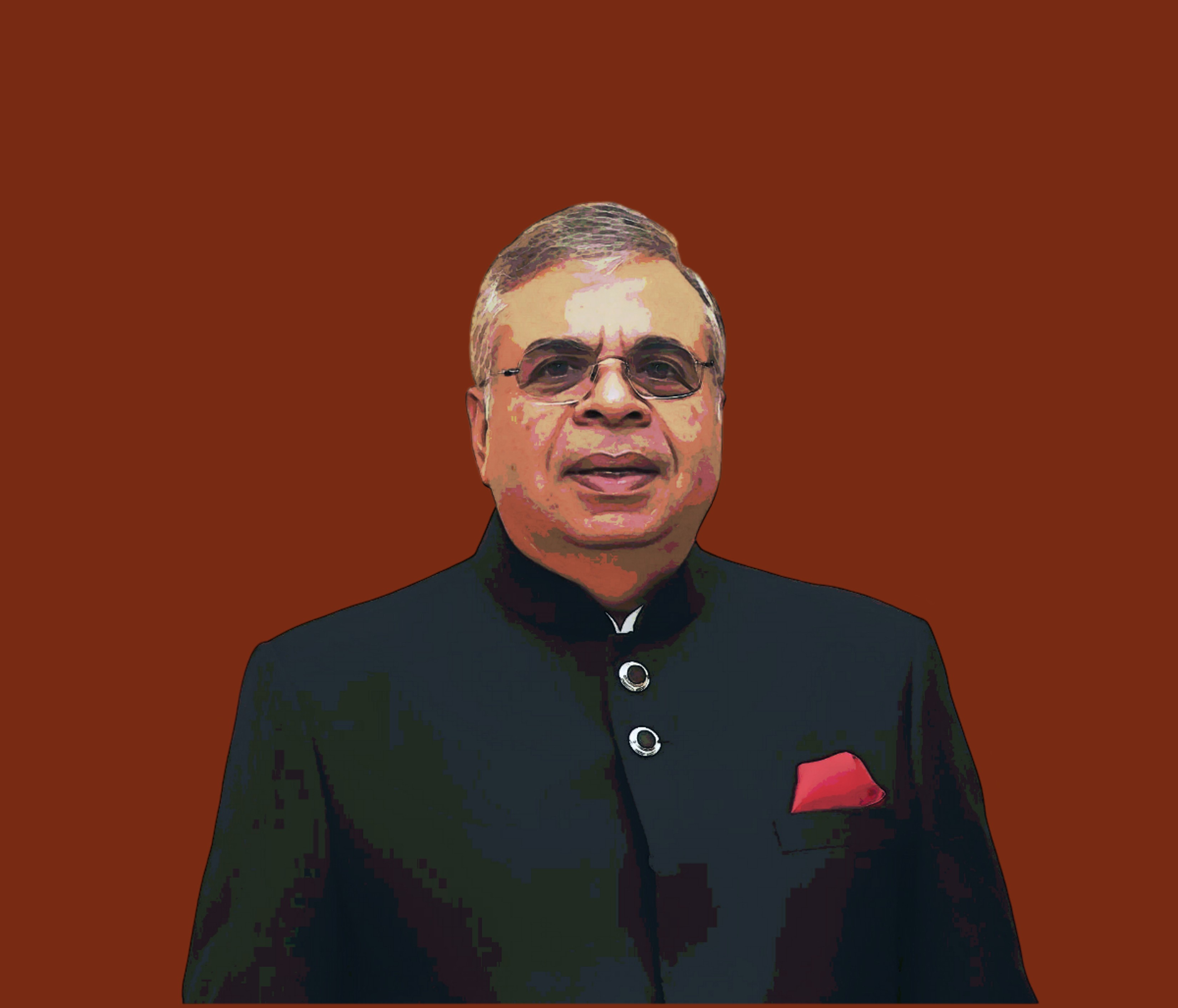
After successive controversies and growing unease over promoter influence, the central bank is reshaping the lender—starting with management, moving to its board and tightening the screws on ownership.

Unemployment among urban women is still way higher than any other group and the change seen in the latest survey is insignificant.
As the private lender reeled from serial scandals, Hinduja insisted he was merely a shareholder. Board-level links, conflicts of interest and regulatory blind spots suggest otherwise.
After successive controversies and growing unease over promoter influence, the central bank is reshaping the lender—starting with management, moving to its board and tightening the screws on ownership.
Unemployment among urban women is still way higher than any other group and the change seen in the latest survey is insignificant.