/
•
•
Detailed stories on technology startups, business and economic current affairs.
Gautam Adani’s ambition knows no bounds. But can his access to the powers that be and debt sustain his group in the long run?



Editor's note: Gautam Adani is in a tearing hurry. Less than three years ago he had no play in India’s airports business. His significant interests in power generation and transmission, mining and ports had bestowed on him the tag of India’s second richest billionaire with a wealth of $58 billion, behind only Reliance Industries’s Mukesh Ambani. A status milestone that led many to believe that the then 55-year-old billionaire had his hands and belly full. Apparently not. In under two years, Adani became the country’s second largest airports operator, with eight airports under his belt (including the proposed Navi Mumbai airport); he is on course to call the shots in a quarter of the market eventually. Last week, the ports-to-energy conglomerate that he heads became the third Indian group to cross $100 billion in market capitalization. The total market cap of the Adani Group's six listed companies at the close of trading on Tuesday (6 April) was ₹784,000 crore, or $106.8 billion. Crossing the $100 billion market cap mark is no small achievement given that only the Tata group and Reliance Industries …

Gautam Adani’s ambition knows no bounds. But can his access to the powers that be and debt sustain his group in the long run?
Editor's note: Gautam Adani is in a tearing hurry. Less than three years ago he had no play in India’s airports business. His significant interests in power generation and transmission, mining and ports had bestowed on him the tag of India’s second richest billionaire with a wealth of $58 billion, behind only Reliance Industries’s Mukesh Ambani. A status milestone that led many to believe that the then 55-year-old billionaire had his hands and belly full. Apparently not. In under two years, Adani became the country’s second largest airports operator, with eight airports under his belt (including the proposed Navi Mumbai airport); he is on course to call the shots in a quarter of the market eventually. Last week, the ports-to-energy conglomerate that he heads became the third Indian group to cross $100 billion in market capitalization. The total market cap of the Adani Group's six listed companies at the close of trading on Tuesday (6 April) was ₹784,000 crore, or $106.8 billion. Crossing the $100 billion market cap mark is no small achievement given that only the Tata group and Reliance Industries …
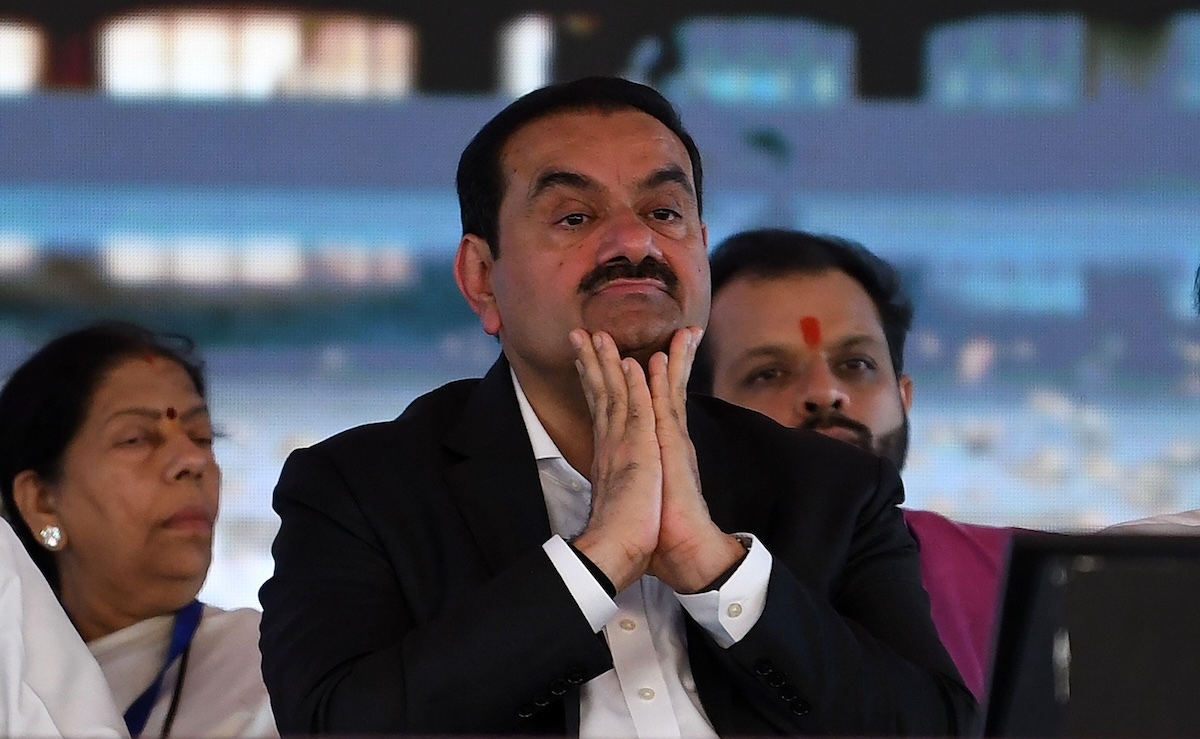
A regulatory easing could see the billionaire’s conglomerate move from running airports to owning an airline—an idea he is warming up to, with multiple options open.
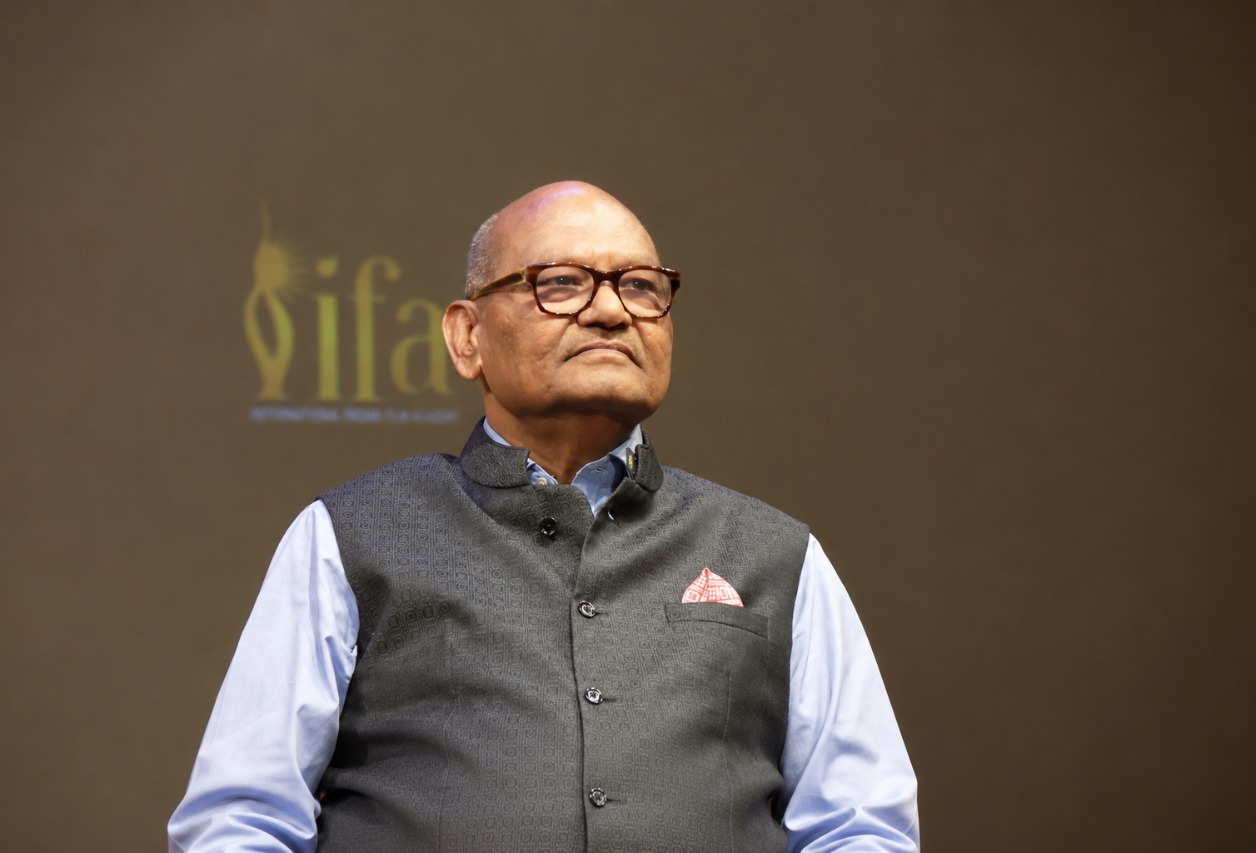
After a strong listing, Vedanta Aluminium Metal is running into some headwinds. Aluminium prices are easing, but the sharper challenge is rising competition from Kumar Mangalam Birla and Gautam Adani.

The country’s woefully inadequate efforts to reduce its reliance on lithium imports could spoil its EV party.
A regulatory easing could see the billionaire’s conglomerate move from running airports to owning an airline—an idea he is warming up to, with multiple options open.
After a strong listing, Vedanta Aluminium Metal is running into some headwinds. Aluminium prices are easing, but the sharper challenge is rising competition from Kumar Mangalam Birla and Gautam Adani.
The country’s woefully inadequate efforts to reduce its reliance on lithium imports could spoil its EV party.