/
•
•
Detailed stories on technology startups, business and economic current affairs.



Editor's note: The story goes something like this. Sometime earlier this year, two vice presidents of Paytm decided that they must liquidate their equity stock options in the company. That process usually involves acquiring the shares, paying tax on them to the government and then converting them to a demat form. Once that happened, the duo began looking for potential buyers. Now it so happened that they found a buyer who was willing to offer them Rs 18,000 per share. That’s very good money, and I’ll get to why in just a bit. Unlike say a normal transaction, shares of a private company like Paytm or any other startup usually come with a right of first refusal. This means that the ultimate decision to bless the transaction rests with the board of the company. In eight out of 10 cases, the board asks for nominal details like name of the buyer, antecedents, price at which the seller is selling the stock and clears the deal. In this case too, the board sought all the details and blessed the transaction. Remember, this is …

Editor's note: The story goes something like this. Sometime earlier this year, two vice presidents of Paytm decided that they must liquidate their equity stock options in the company. That process usually involves acquiring the shares, paying tax on them to the government and then converting them to a demat form. Once that happened, the duo began looking for potential buyers. Now it so happened that they found a buyer who was willing to offer them Rs 18,000 per share. That’s very good money, and I’ll get to why in just a bit. Unlike say a normal transaction, shares of a private company like Paytm or any other startup usually come with a right of first refusal. This means that the ultimate decision to bless the transaction rests with the board of the company. In eight out of 10 cases, the board asks for nominal details like name of the buyer, antecedents, price at which the seller is selling the stock and clears the deal. In this case too, the board sought all the details and blessed the transaction. Remember, this is …
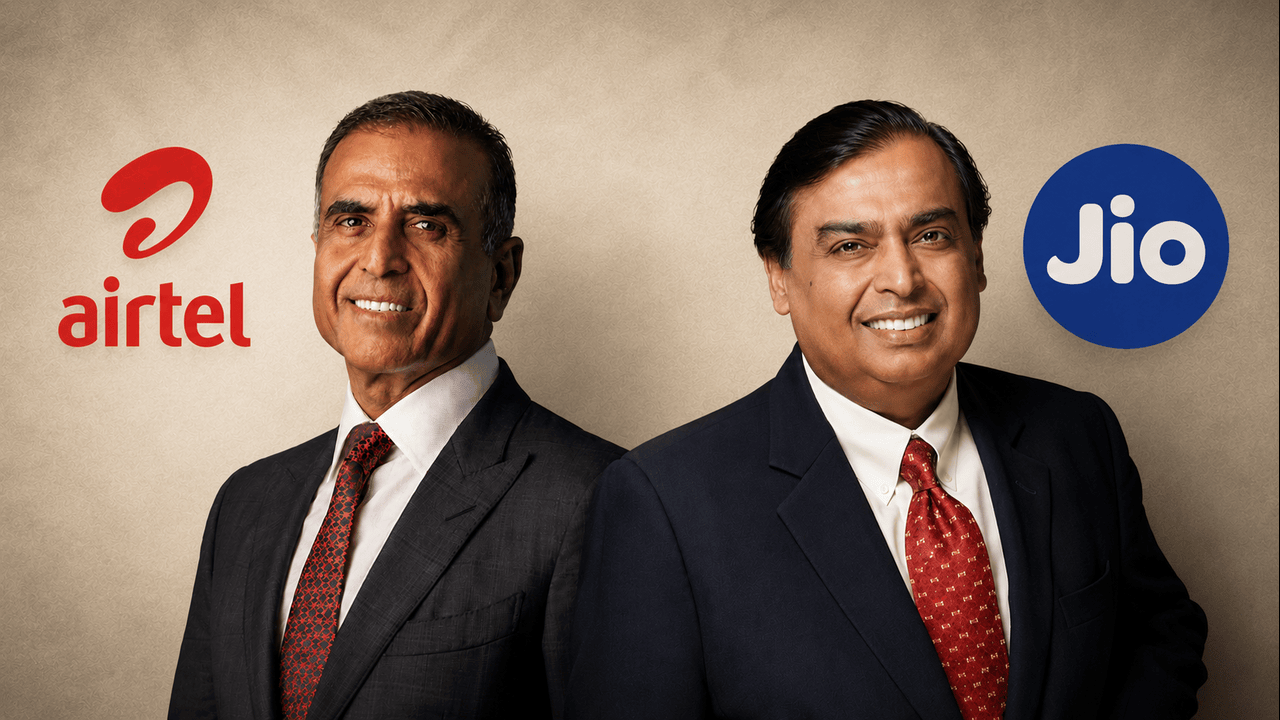
Instead of going after scale like Jio, the Sunil Bharti Mittal-led telecom giant is chasing a smaller but higher-quality customer base to grow its home broadband segment. Will the bet pay off?

Reliance Consumer Products is relying on aggressive pricing in the hope that its staples brand will become a household name. But such tactics can go only so far.

The Abu Dhabi investment firm just upped the AI stakes, private debt in the Gulf is having its moment in the sun, and other updates from this week.
Instead of going after scale like Jio, the Sunil Bharti Mittal-led telecom giant is chasing a smaller but higher-quality customer base to grow its home broadband segment. Will the bet pay off?
Reliance Consumer Products is relying on aggressive pricing in the hope that its staples brand will become a household name. But such tactics can go only so far.
The Abu Dhabi investment firm just upped the AI stakes, private debt in the Gulf is having its moment in the sun, and other updates from this week.