/
•
•
Detailed stories on technology startups, business and economic current affairs.
Thanks to the marketing machinery that surrounds these sales, little escapes but noise. We break it down.




Businesses love making vague statements. Nowhere is this more obvious than the Indian e-commerce pursuit, and especially during the annual festive season sales that inevitably turn into a highly publicized battle between Flipkart and Amazon India.
The companies will tell you they are No. 1 without actually revealing any qualitative information on what No. 1 means or on the market that awarded them the podium finish. Some will parade their significant reach in rural markets and count the city of Jamshedpur while they are at it. Then there are the pointers, dropped almost nonchalantly, but with the precise aim of …

Parent AceVector is headed for a public market debut next week. As much as 97% of its revenue comes from two businesses. One is already a listed entity, the other a missed opportunity.

The Walmart-owned e-commerce company has entered microdramas and food delivery. Is it thinking long-term or just chasing a trend?
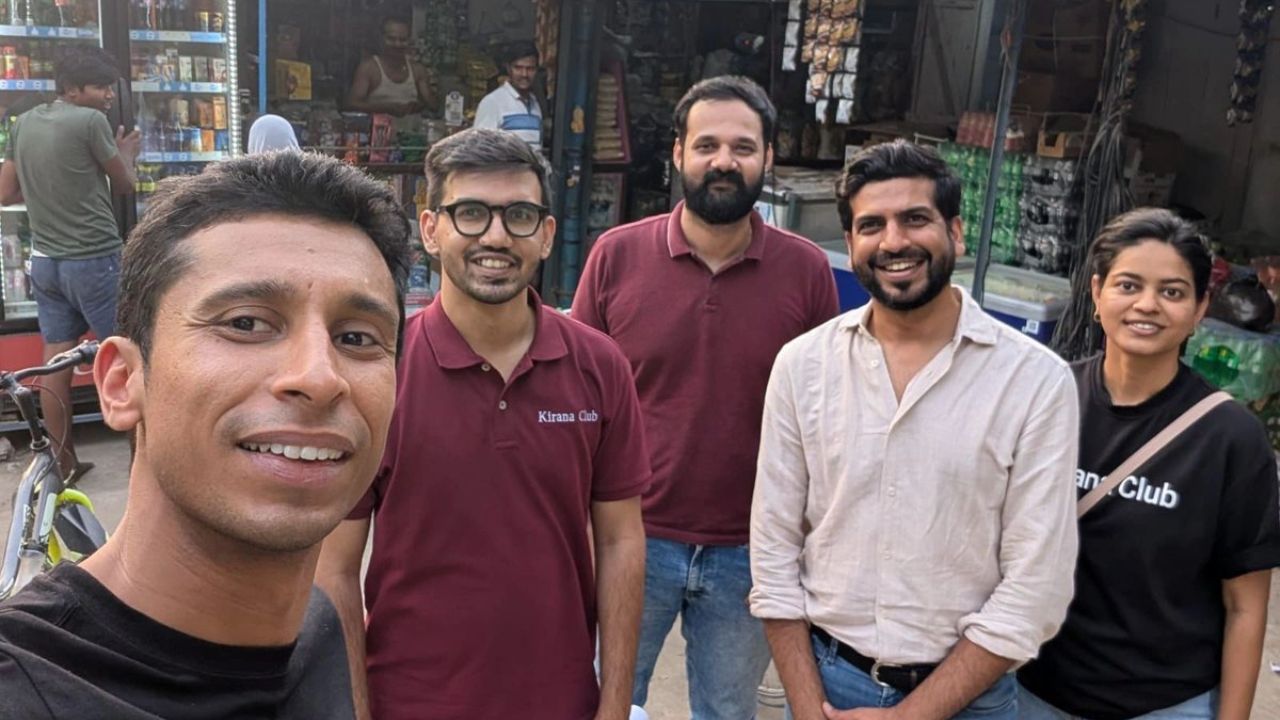
Its acquisition of Kirana Club signals an attempt to find a new growth engine, but grocery retail has been a challenge for even well-funded players.