/
•
•
Detailed stories on technology startups, business and economic current affairs.



Editor's note: This week delivered a big corporate update, the kind that usually sets a precedent for many others across the world. In one of the biggest spin-offs in corporate history, telecoms giant AT&T said that it will split out WarnerMedia—which owns HBO, CNN, TBS, TNT and Warner Bros. Studio, among others—and merge it with Discovery to form a new media company. This deal basically means that AT&T, which had acquired Time Warner (later renamed as WarnerMedia) three years ago in a $85 billion deal in the hopes of building a rival to the tech giants, is finally giving up on the idea of integrating content and distribution. The original idea behind the two big mergers was to help the Ma Bell descendant challenge Comcast Corp. in the pay-TV business, steal digital-advertising dollars from Alphabet Inc.’s Google, and mount a challenge to Netflix Inc. in streaming… Cable mogul John Malone, a major Discovery shareholder, said that although he believes Time Warner is doing fine, merging content and distribution usually doesn’t make sense. “I think that the technology of connectivity and digital technologies …
Editor's note: This week delivered a big corporate update, the kind that usually sets a precedent for many others across the world. In one of the biggest spin-offs in corporate history, telecoms giant AT&T said that it will split out WarnerMedia—which owns HBO, CNN, TBS, TNT and Warner Bros. Studio, among others—and merge it with Discovery to form a new media company. This deal basically means that AT&T, which had acquired Time Warner (later renamed as WarnerMedia) three years ago in a $85 billion deal in the hopes of building a rival to the tech giants, is finally giving up on the idea of integrating content and distribution. The original idea behind the two big mergers was to help the Ma Bell descendant challenge Comcast Corp. in the pay-TV business, steal digital-advertising dollars from Alphabet Inc.’s Google, and mount a challenge to Netflix Inc. in streaming… Cable mogul John Malone, a major Discovery shareholder, said that although he believes Time Warner is doing fine, merging content and distribution usually doesn’t make sense. “I think that the technology of connectivity and digital technologies …
A quarter with subscriber gains portends well for the telecom operator, but its underlying metrics tell a more cautious story.
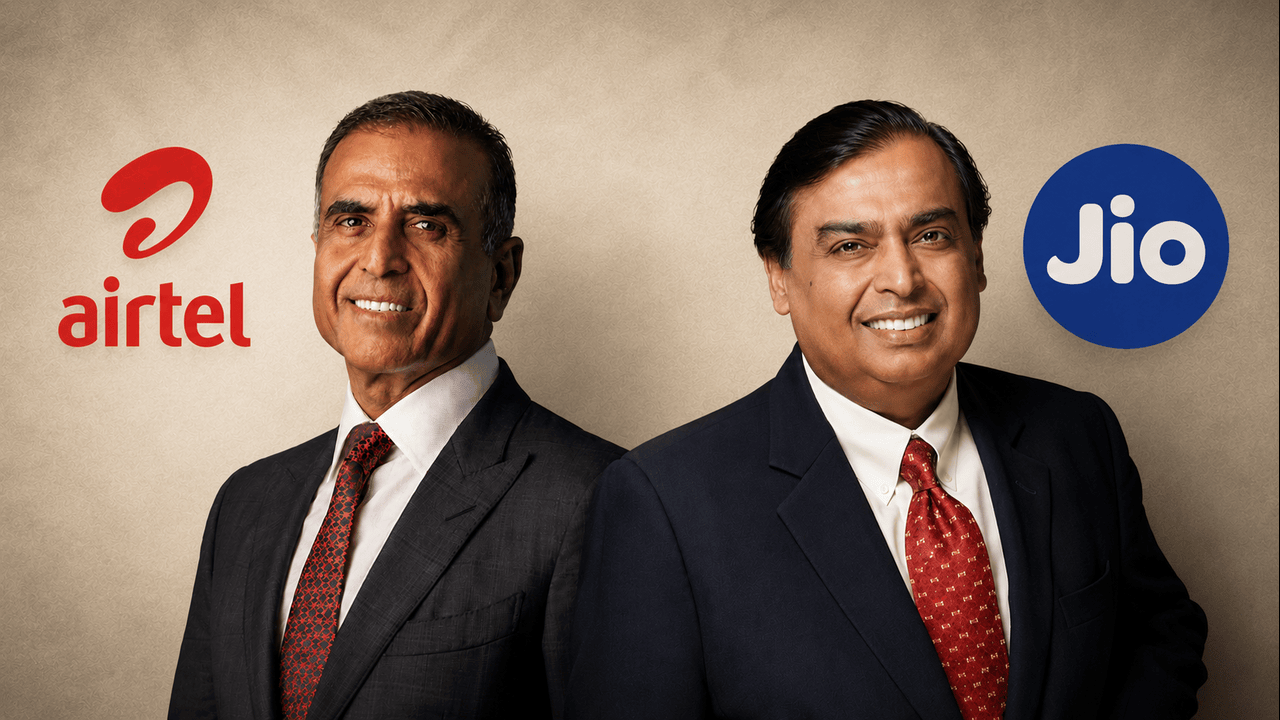
Instead of going after scale like Jio, the Sunil Bharti Mittal-led telecom giant is chasing a smaller but higher-quality customer base to grow its home broadband segment. Will the bet pay off?
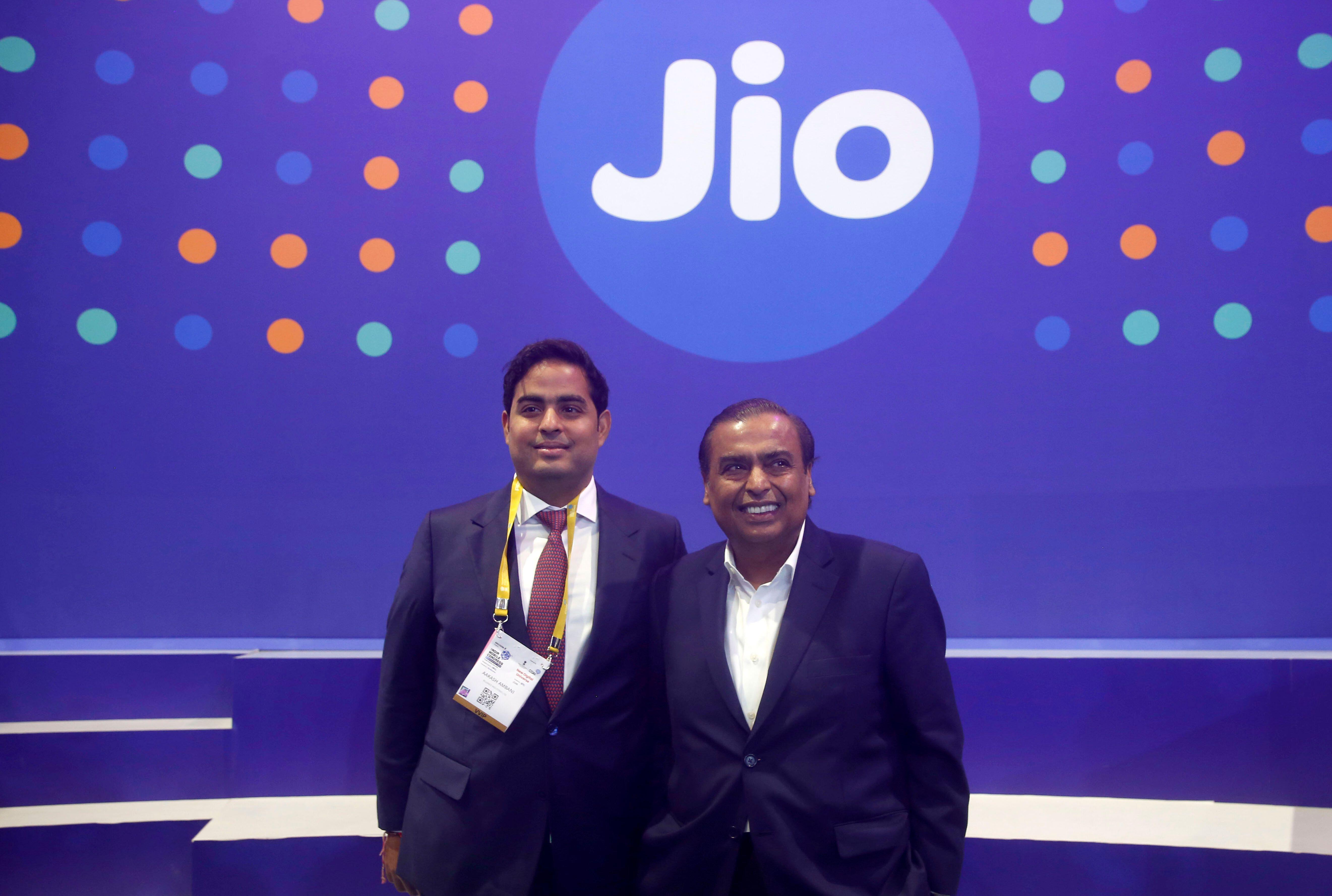
Mukesh Ambani wants investors to price Reliance Industries’ IPO-bound telecom arm like a technology business. In reality, Jio’s tech ambitions remain a work in progress.
A quarter with subscriber gains portends well for the telecom operator, but its underlying metrics tell a more cautious story.
Instead of going after scale like Jio, the Sunil Bharti Mittal-led telecom giant is chasing a smaller but higher-quality customer base to grow its home broadband segment. Will the bet pay off?
Mukesh Ambani wants investors to price Reliance Industries’ IPO-bound telecom arm like a technology business. In reality, Jio’s tech ambitions remain a work in progress.