/
•
•
Detailed stories on technology startups, business and economic current affairs.
Both the cynic and the optimist will find plenty to suit their arguments in the company’s draft IPO prospectus.



It’s almost unheard of that an Indian consumer brand in any category is one of the top five in the world. But that’s where Mumbai-based wireless audio and wearables company boAt has been for most of the past 18 months.
Last week, boAt, or Imagine Marketing Ltd, submitted its draft filing for an initial public offering to the markets regulator, in what would be the latest in a line of Indian tech IPOs. The company is looking to raise Rs 900 crore in fresh capital from the public markets, while private equity firm Warburg Pincus and co-founders Sameer Mehta and …
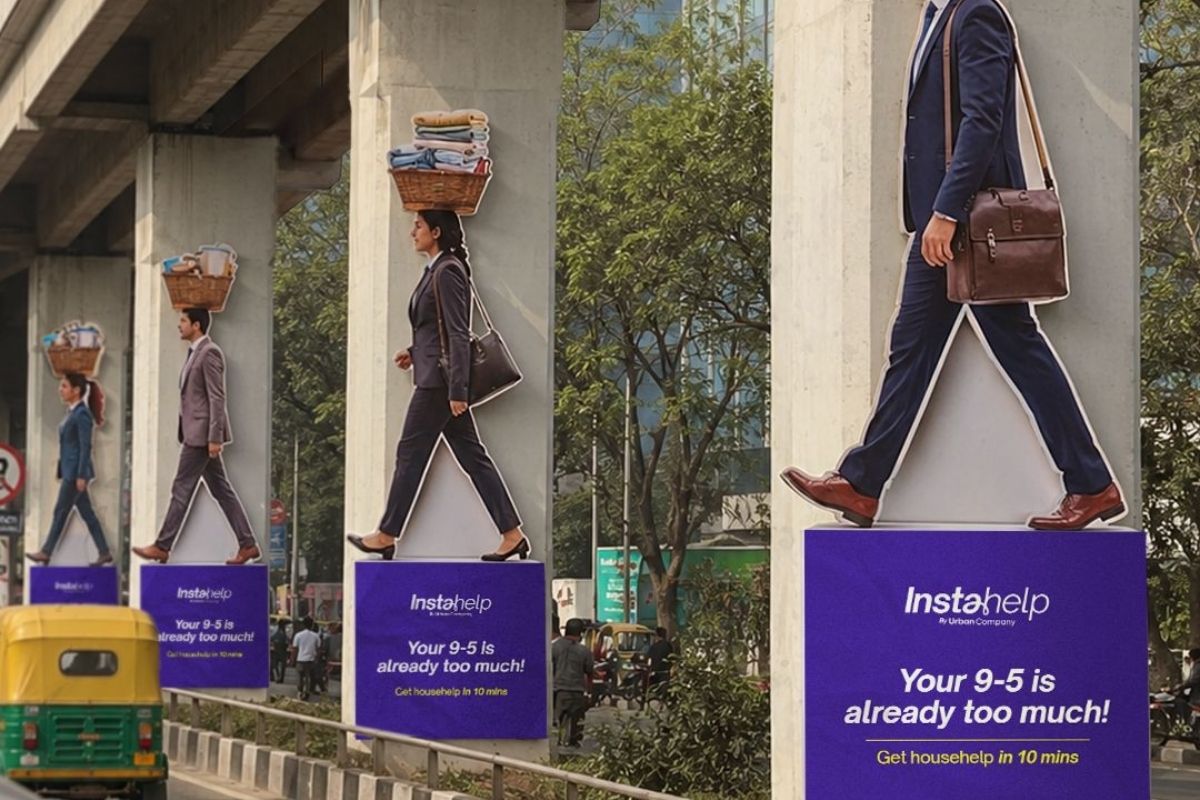
The instant house help business has become the centre of focus and investment at the home services company. But another fight may be brewing in its core business.

India’s grocery and food delivery platforms are increasingly displaying misleading images of food using artificial intelligence, defeating the very purpose of buying online.

Parent AceVector is headed for a public market debut next week. As much as 97% of its revenue comes from two businesses. One is already a listed entity, the other a missed opportunity.