/
•
•
Detailed stories on technology startups, business and economic current affairs.
Nischal Shetty, founder of Indian crypto exchange WazirX, talks about the flux in the ecosystem, navigating minefields and the promise of regulation.




Crypto is on a high in India. Crypto is in limbo in India. At the moment, both are true.
Beginning in March last year, local cryptocurrency exchanges were elated when the Supreme Court quashed the Reserve Bank of India’s ban on crypto transactions. The RBI’s April 2018 diktat had effectively made the exchanges persona non grata for Indian banks. Now, they could once again start accepting investor funds freely through payment gateways and banking channels.
From there, life has only got better—for the most part.
As the price of Bitcoin shot up from $8,000 in March to over $20,000 by …
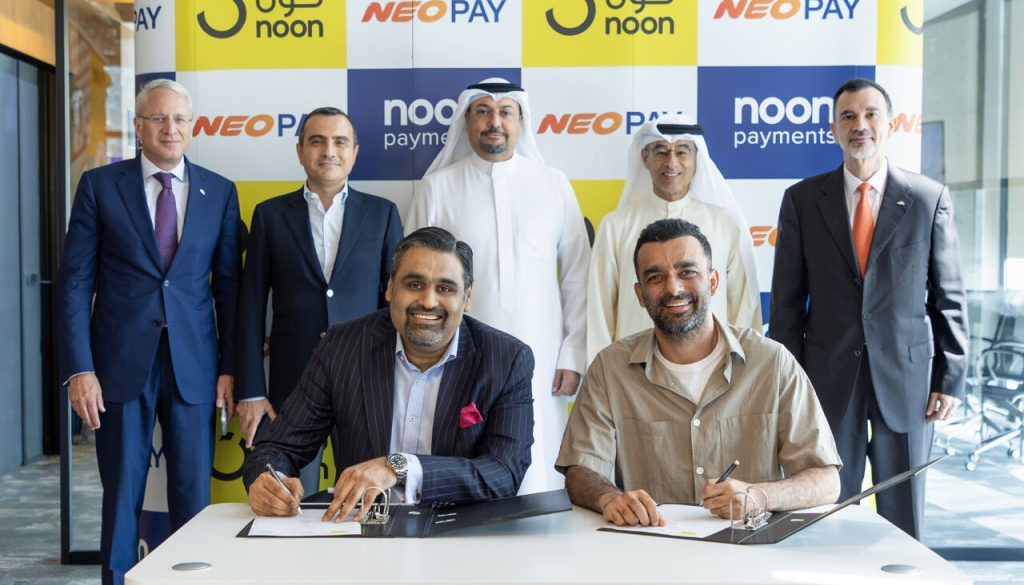
A local fintech deal to consolidate operations, feedback on Saudi Arabia’s proposed IPO rules, and Ras Al Khaimah’s casino economy.

Thinly traded listed entities have long served as breeding grounds for stock manipulation, hurting investors. The regulator, the NSE and BSE now want to fix things by focusing on efficient delisting.

The newly announced levy on UPI payments undermines the very foundation of using digital payments for stock market investing. Brokers are in a tizzy.