/
•
•
Detailed stories on technology startups, business and economic current affairs.
A combination of pent-up demand and rock-bottom prices may have served to boost demand initially but the second and third wave of sales were not as strong.




The festive season is over. And so are the October-November sales. So no more full-page ads in your daily paper, listing out a whole array of products at rock-bottom prices. That phone you’ve been eyeing or those noise-cancelling headphones—all at prices a little less daunting.
Year after year, this sale season plays out with claims and counterclaims flying thick and fast about the number of customers, sellers and shipments, and ever more dizzying sales figures.
This year too, Walmart-owned Flipkart and Amazon’s Indian arm continued to duke it out in what was virtually a two-horse race online. That apart, by …

The Walmart-owned e-commerce company has entered microdramas and food delivery. Is it thinking long-term or just chasing a trend?
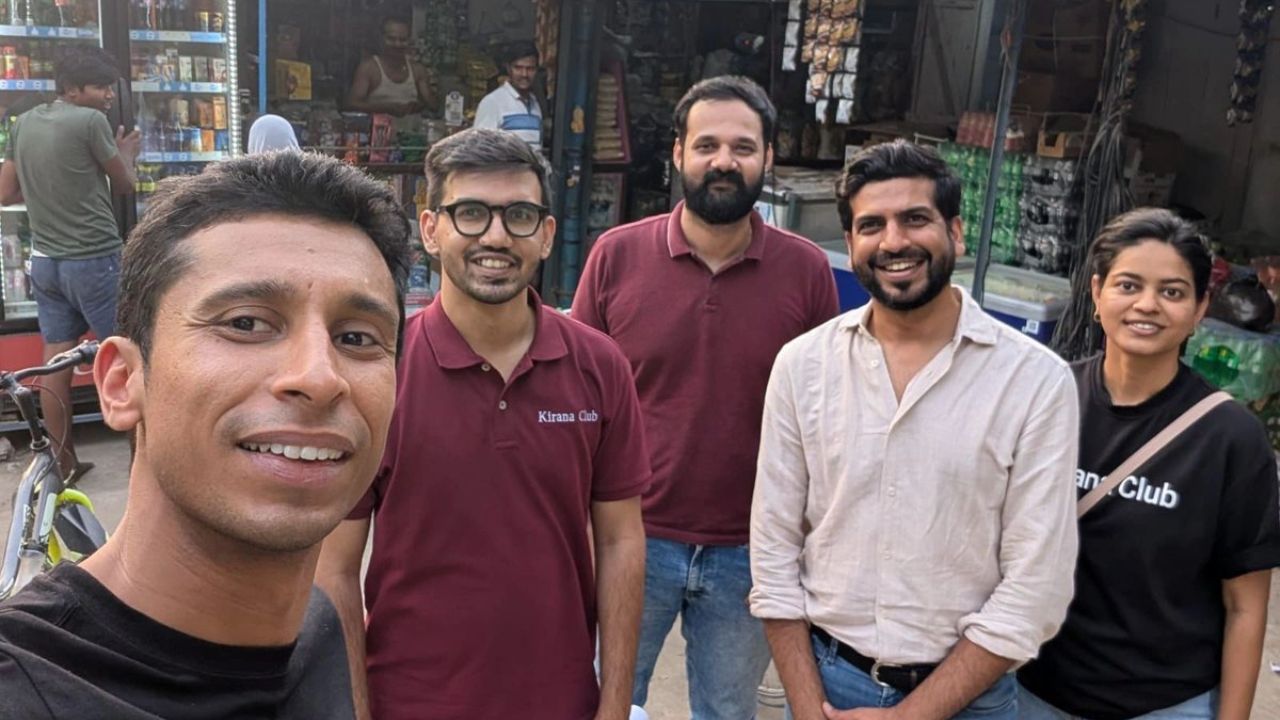
Its acquisition of Kirana Club signals an attempt to find a new growth engine, but grocery retail has been a challenge for even well-funded players.
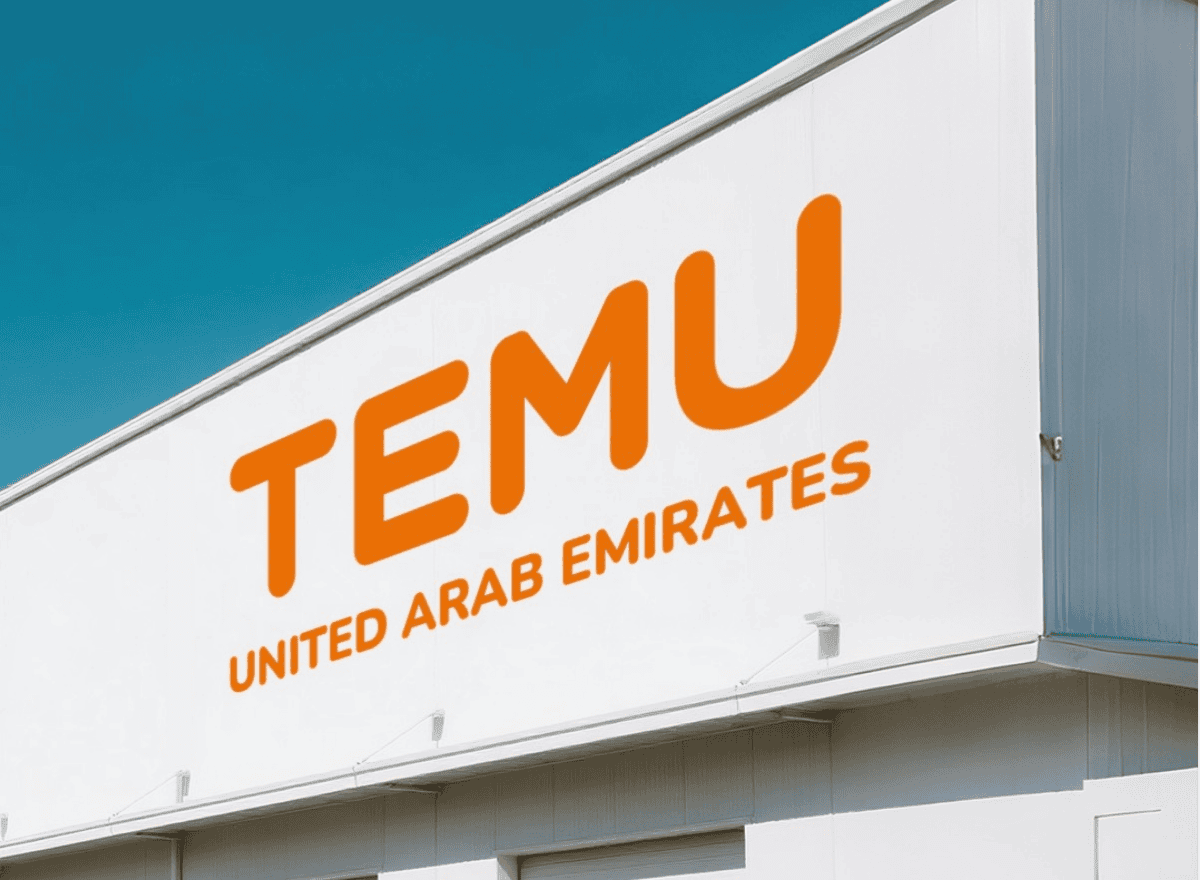
The relatively new online marketplace seems to be doubling on its UAE momentum. We take a look at what is at stake.