/
•
•
Detailed stories on technology startups, business and economic current affairs.
The plan to speed up the national capital’s EV transition puts India's production capabilities and supply chain to the test.


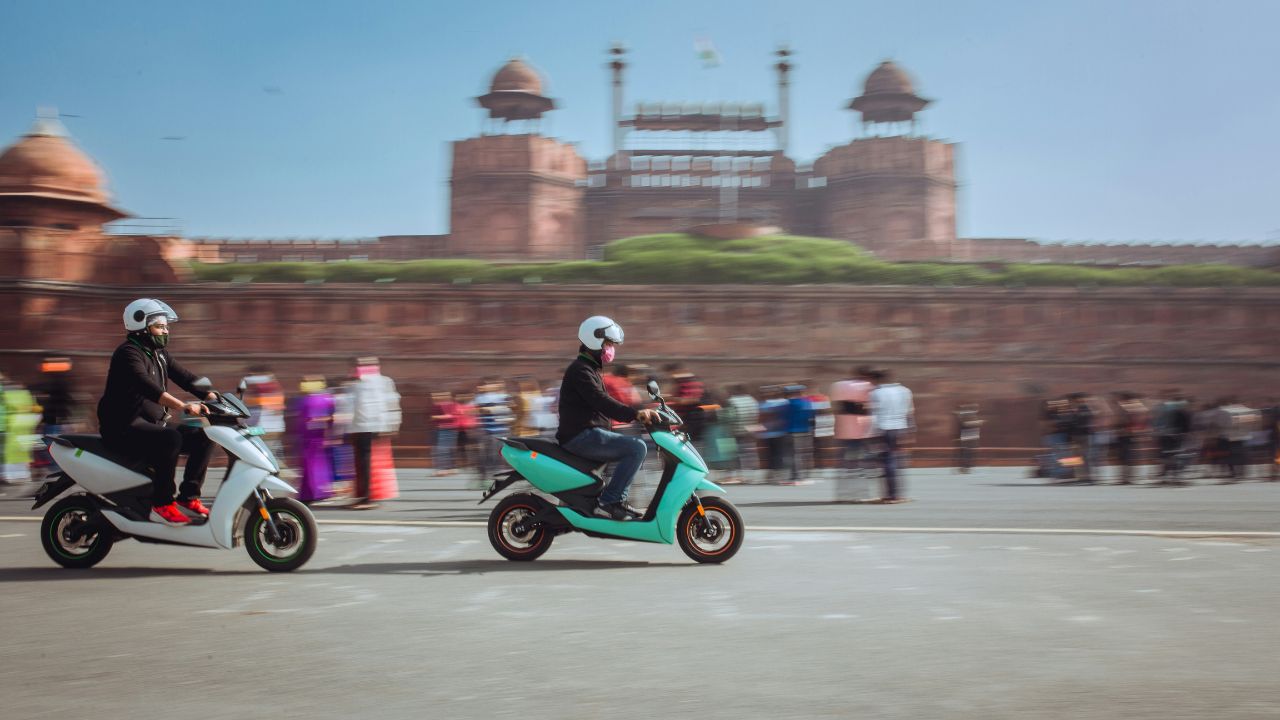

On 1 July, Delhi enforced an electric vehicles policy, again. The previous one, launched in 2020, fell miserably short on execution. It aimed for EVs to make up a quarter of all new vehicle registrations in the city by 2024, but data from Vahan shows EVs accounted for no more than 12% in FY26.
With EV policy 2.0, Delhi wants to go all in. The idea is to gradually—but aggressively—phase out registrations of new petrol and CNG vehicles, backed by a Rs 15,000 crore ($1.5 billion) budget. How?
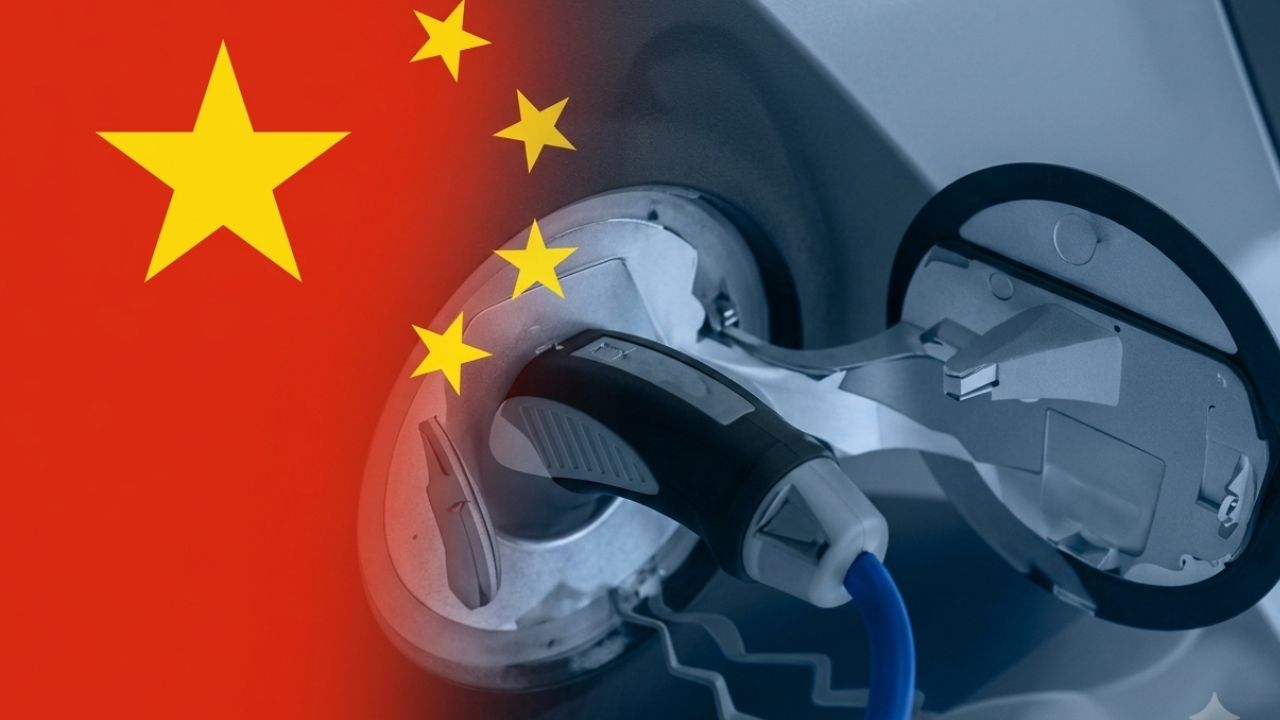
A proposed Rs 12,000 crore incentive shifts the focus to components after the first scheme fell short. But raw material dependence, gaps in technology and China’s dominance remain.
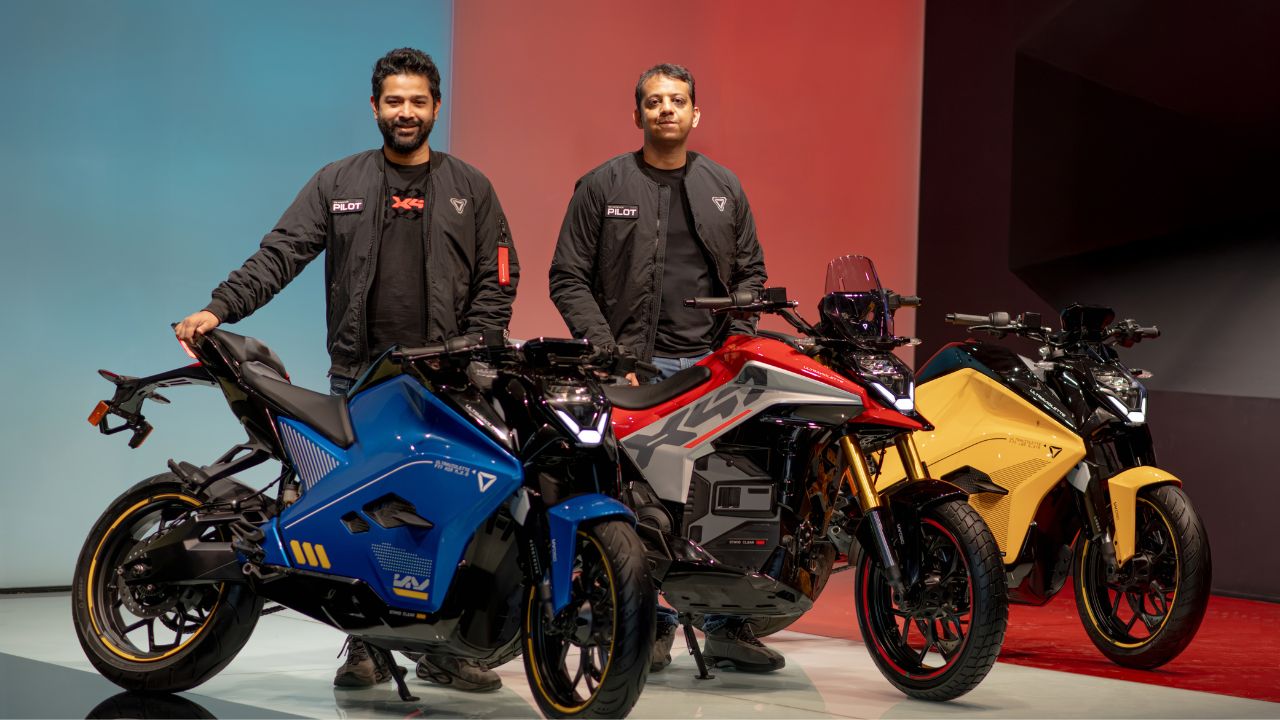
The startup isn’t sure where its future lies—in electric motorcycles or the more recently announced electric scooter? Unsurprisingly, none of the products have amounted to anything so far.
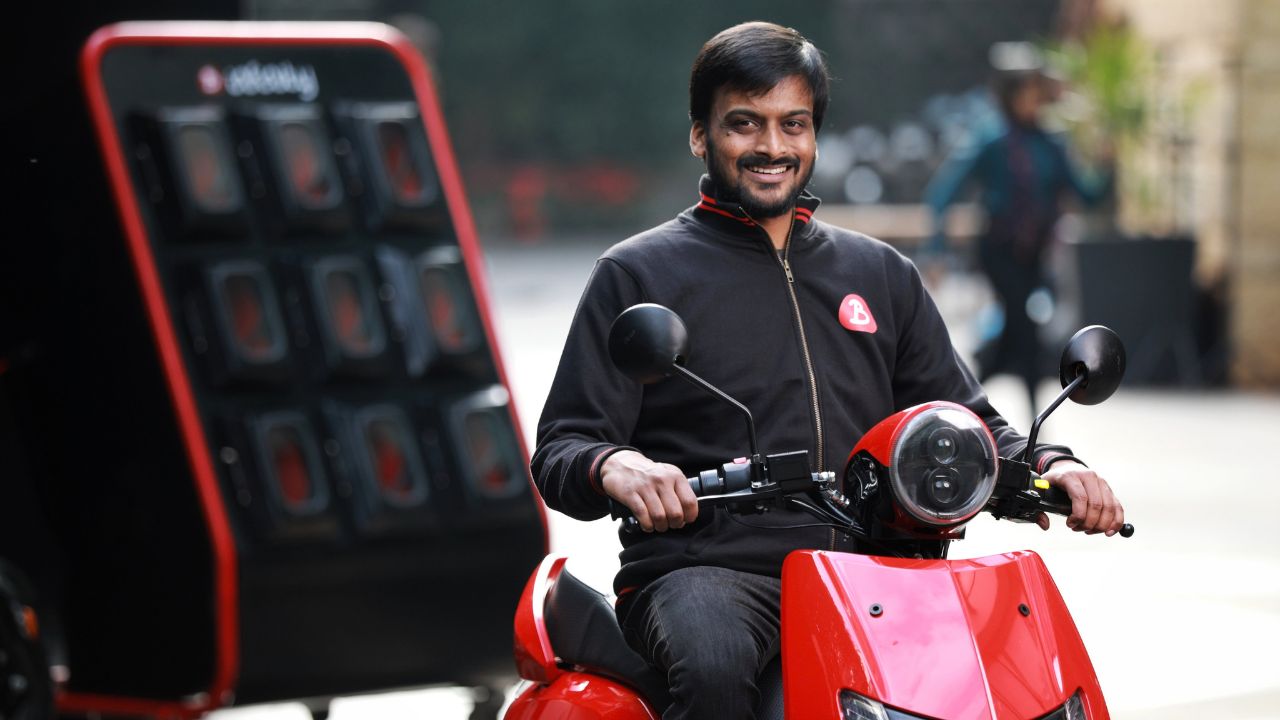
The EV maker is turning to gig-worker rentals to absorb its scooter output. But questions on cost, competition and execution make its latest pivot uncertain.