/
•
•
Detailed stories on technology startups, business and economic current affairs.
Spotify is one of the last to enter the music streaming party here. Does its game plan make sense?



India has more than 10 music streaming companies competing against each other. But you’d be hard pressed to tell them apart.
The content is alike. A library of millions of songs, with the top 20-30 trending tracks driving about 70-80% of the consumption. Most, like Times Internet-owned Gaana or Reliance Industries’s JioSaavn, have the same freemium business model—part advertising, part subscriptions. The exceptions are the subscription-only Apple Music and Amazon Prime Music.
The Indian market, crowded as it is, is dominated by the two of the oldest local platforms, Gaana and JioSaavn. On the back of low pricing, pummelling marketing …
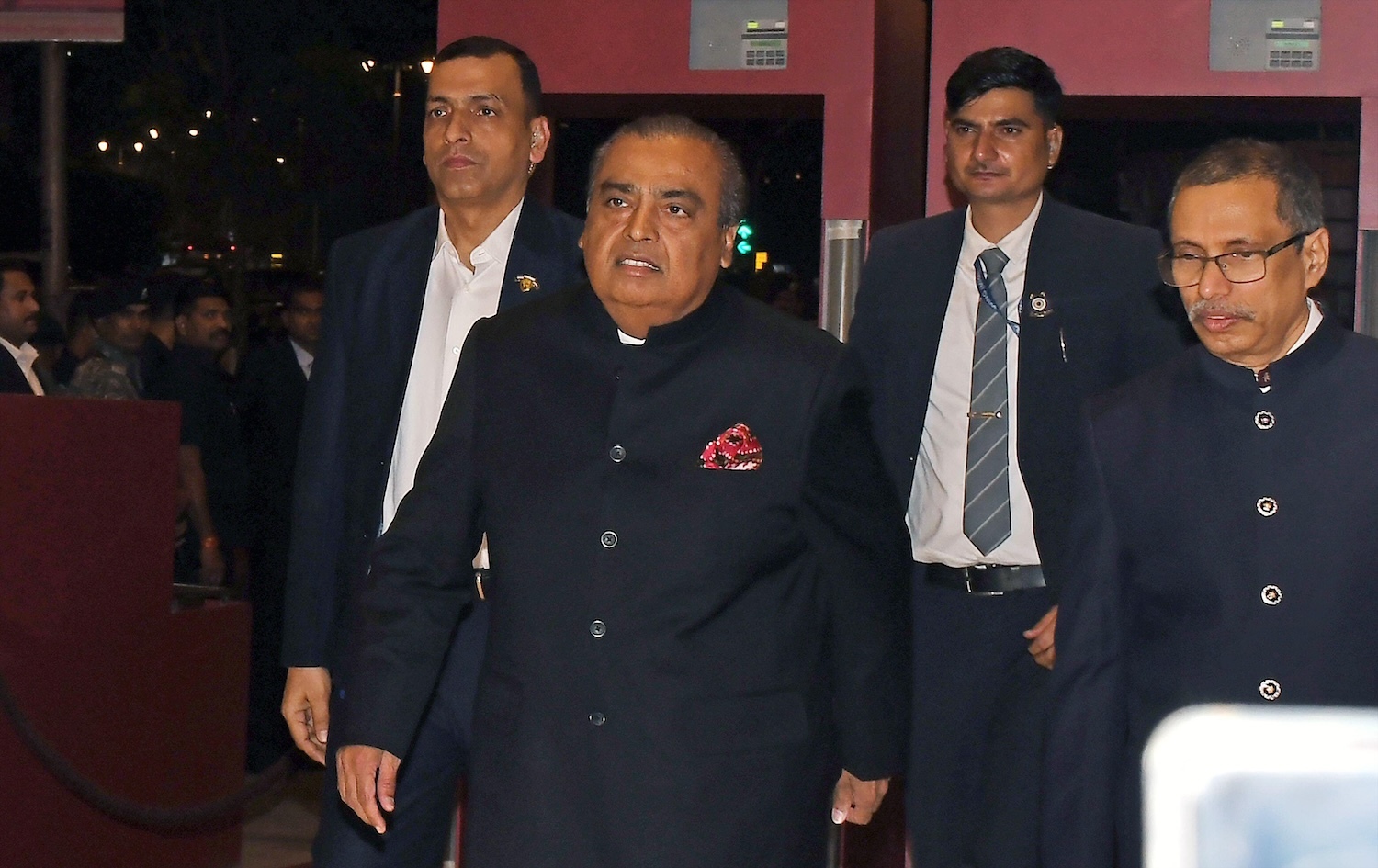
While the Rs 9,000 crore promoter investment in Q1 brings a measure of reassurance, investors will still have to wait for Jio and retail to work through their challenges.

Reliance Consumer Products is relying on aggressive pricing in the hope that its staples brand will become a household name. But such tactics can go only so far.

Mukesh Ambani's conglomerate signs one of the world's largest binding green ammonia offtake agreements. In doing so, it delivers a credibility boost to an industry stuck between ambition and execution.