/
•
•
Detailed stories on technology startups, business and economic current affairs.
A revival in small-car sales has restored the automaker’s advantage, but tougher fuel-efficiency norms threaten to turn its greatest strength into a liability.


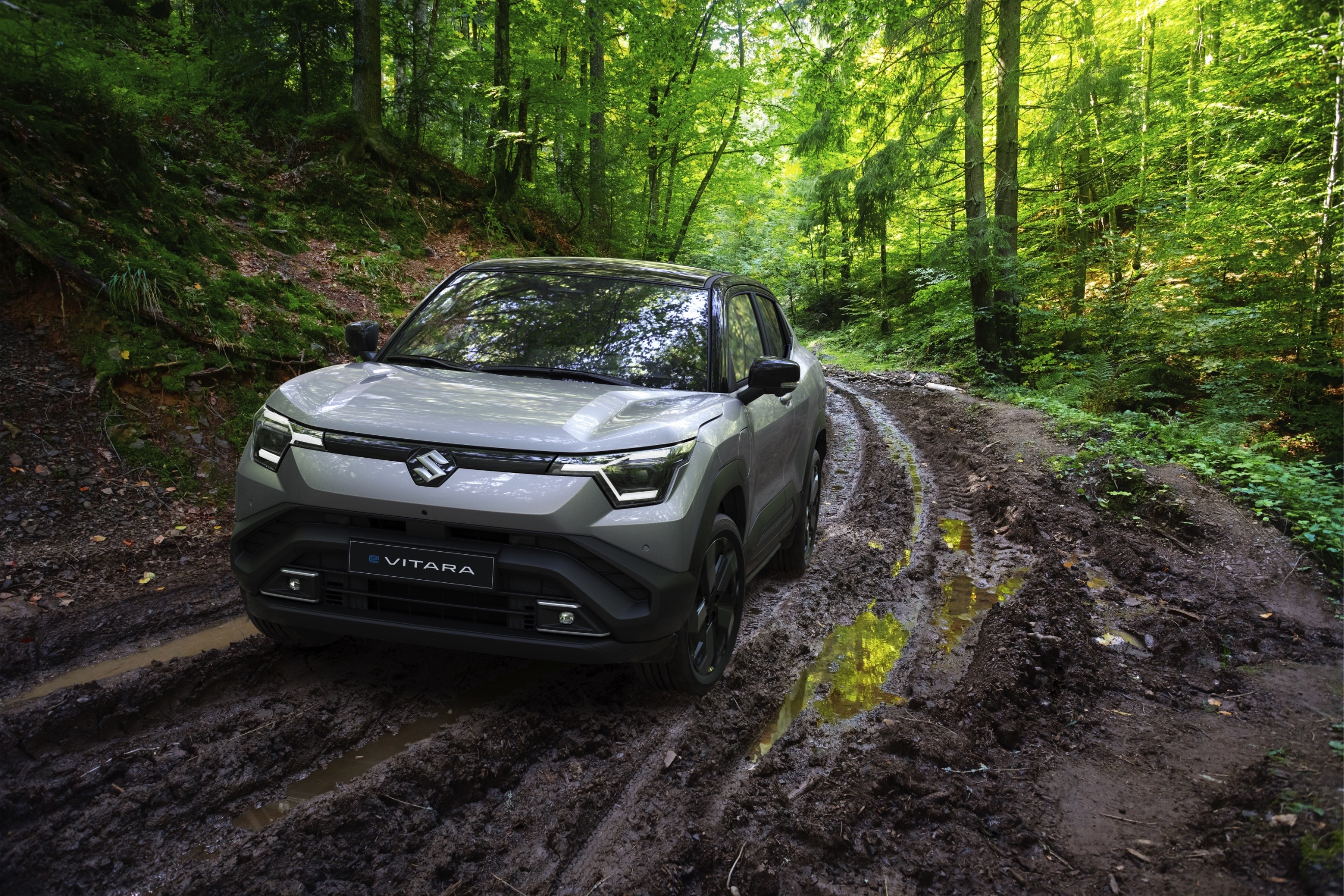
Maruti Suzuki India Ltd is in the midst of a comeback few domestic manufacturers can rival.
The country’s largest carmaker sold more than 2 million vehicles in 2025—its highest ever—while domestic volumes repeatedly hit monthly records in the second half. Plants in Haryana and Gujarat are running near peak utilization. This month, that momentum translated into a Rs 35,000 crore ($4.2 billion) commitment to a new Gujarat facility that will add 1 million vehicles of annual capacity.
The recovery has been driven by a revival in segments many investors had written off. Entry-level hatchbacks and compact cars—long Maruti’s bread and …

The restaurant chain operator has decided not to renew its franchise agreement for the coffee and donut chain in India. This was a long time coming, and it’s only good news for Jubilant and its shareholders.
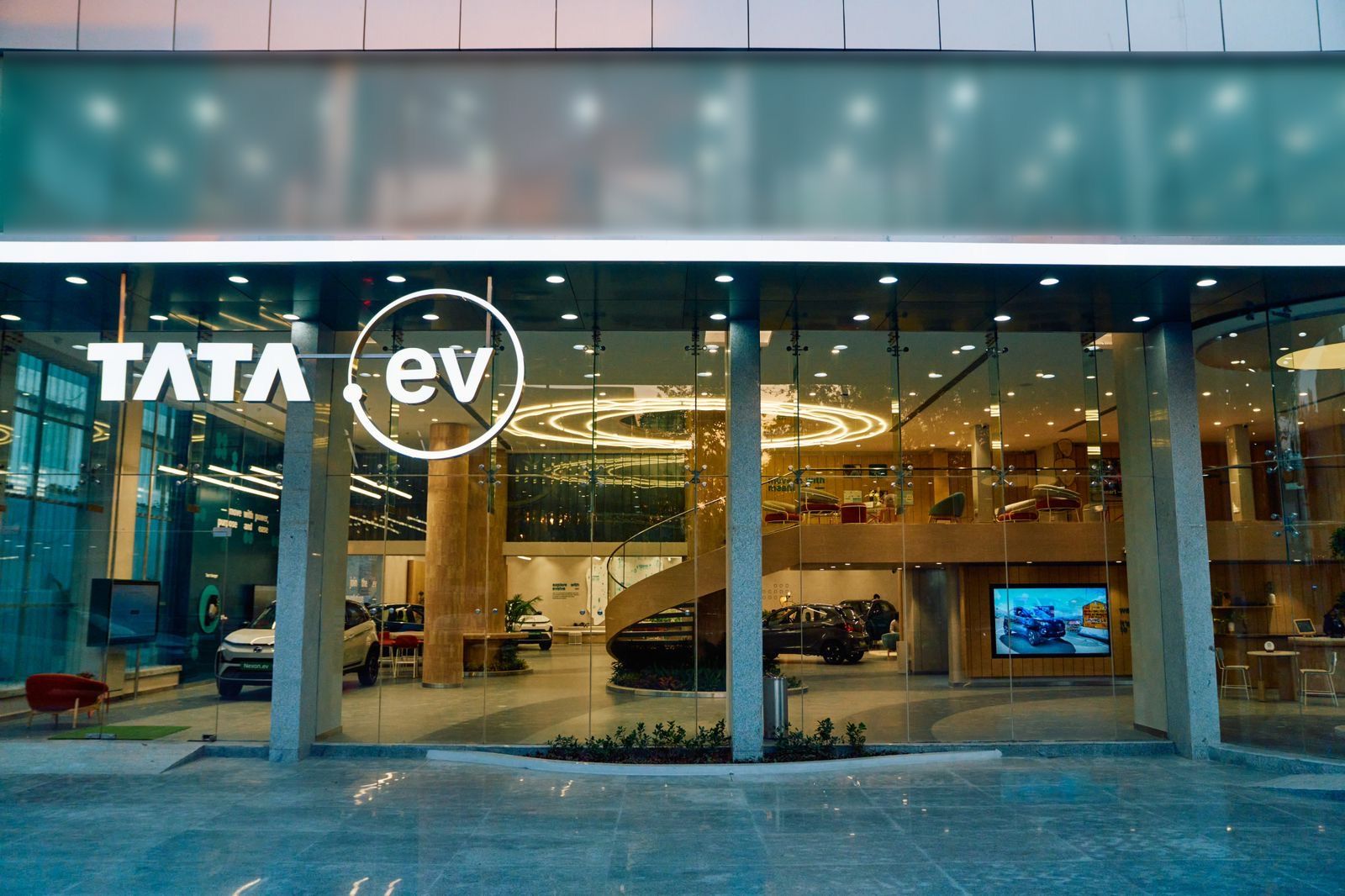
The automaker that virtually created India’s electric car market is forced to offer record discounts, even as rivals surge and competition is set to get fiercer.

The company’s two-wheeler sales are evaporating. But its founder is reframing it as a necessary step to achieve profitability. All while trying to pivot towards becoming a company that sells lithium-ion cells instead of automobiles.