/
•
•
Detailed stories on technology startups, business and economic current affairs.
With the US Federal Reserve indicating a rate hike as early as March and tech stocks taking a beating, the Indian edtech firm’s plan to go public may get pushed to the end of 2022 or even later.




Byju’s plan to list in the US through a special purpose acquisition company (SPAC) is yet to be sewn up.
After months of negotiations with multiple SPAC partners—including advanced-stage talks with Michael Klein’s Churchill Capital—the company has still not finalized a partner and is looking at multiple options. Three people The Morning Context spoke with said that Byju’s public listing has hit a roadblock and might not materialize soon, or this year at all.
On 16 December, Bloomberg reported that the Bengaluru-based company—India’s largest education technology company, with a valuation north of $21 billion—had discussed a SPAC merger with Michael …
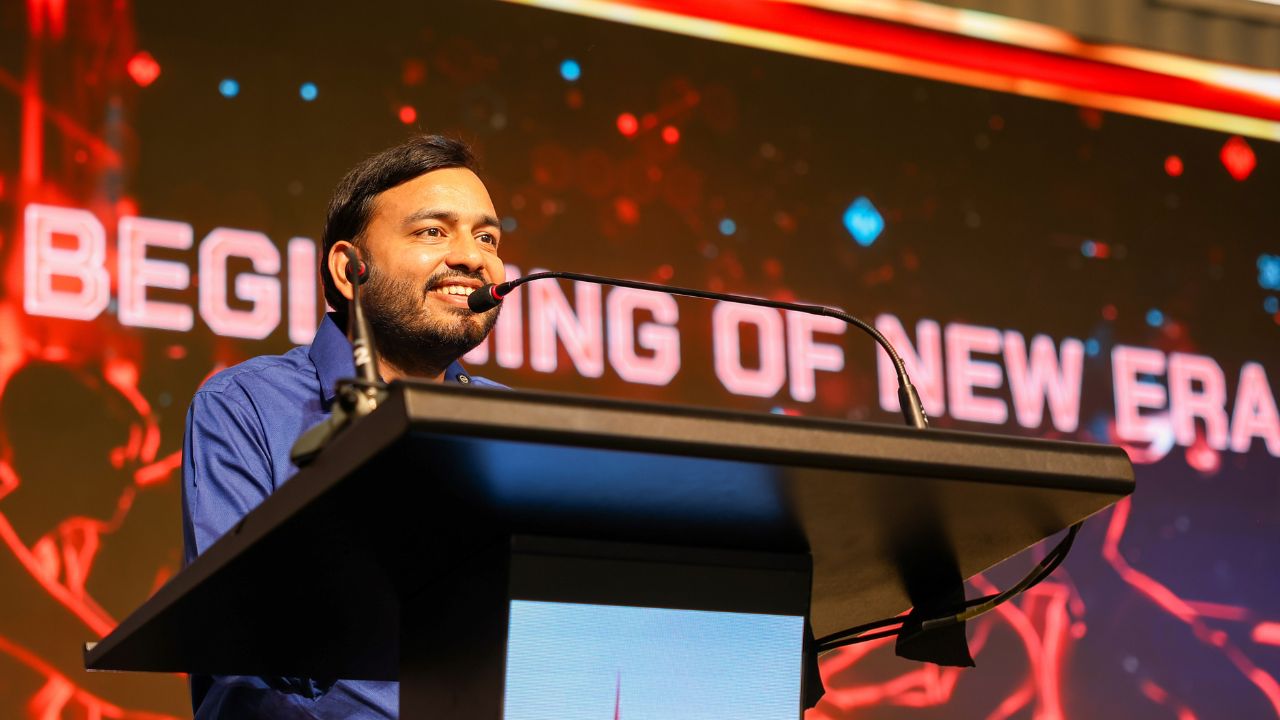
Physics Wallah’s desperate pursuit of growth has led to another bold announcement. The latest move centres around one of India’s most competitive test-prep pockets.

The kingdom is moving to tighten the rules around public listings, algorithmic trading, trading in foreign securities and company disclosures—all in an effort to chase transparency.

As the smart fan maker gears up for an IPO, prospective investors could do with some clarity on what the company’s next phase of growth will look like.