/
•
•
Detailed stories on technology startups, business and economic current affairs.

Editor's note: This is the 12th edition of Thirty-six, The Morning Context’s weekly newsletter on countless ecosystems in flux across India. The Modi government doesn’t want to conduct a caste census next year. In recent weeks, it has tried to convince the Supreme Court that the exercise is neither desirable nor feasible. In 2016, it had said that 98.7% of data on caste and religion, recorded as part of the Socio-Economic and Caste Census (SECC) in 2011, was “error free”. In an affidavit last week, it claimed that the same data was “unusable”. To illustrate, the government cited the stark difference in the number of castes recorded by the 1931 census and the 2011 SECC. The 1931 census had recorded 4,147 castes in India. The SECC, surprisingly, had found 46 lakh. The number of castes could not have shot up by over 45 lakh in 70 years, the Centre argued. This had happened because of the lack of uniformity in data gathering. In many cases, the same caste was recorded under different spellings. Some castes merged, some bifurcated into sub-castes — as …

Editor's note: This is the 12th edition of Thirty-six, The Morning Context’s weekly newsletter on countless ecosystems in flux across India. The Modi government doesn’t want to conduct a caste census next year. In recent weeks, it has tried to convince the Supreme Court that the exercise is neither desirable nor feasible. In 2016, it had said that 98.7% of data on caste and religion, recorded as part of the Socio-Economic and Caste Census (SECC) in 2011, was “error free”. In an affidavit last week, it claimed that the same data was “unusable”. To illustrate, the government cited the stark difference in the number of castes recorded by the 1931 census and the 2011 SECC. The 1931 census had recorded 4,147 castes in India. The SECC, surprisingly, had found 46 lakh. The number of castes could not have shot up by over 45 lakh in 70 years, the Centre argued. This had happened because of the lack of uniformity in data gathering. In many cases, the same caste was recorded under different spellings. Some castes merged, some bifurcated into sub-castes — as …
India’s second-largest brokerage by active clients wants to handle IPOs as a merchant banker. But gaining a foothold in the highly competitive sector is easier said than done.
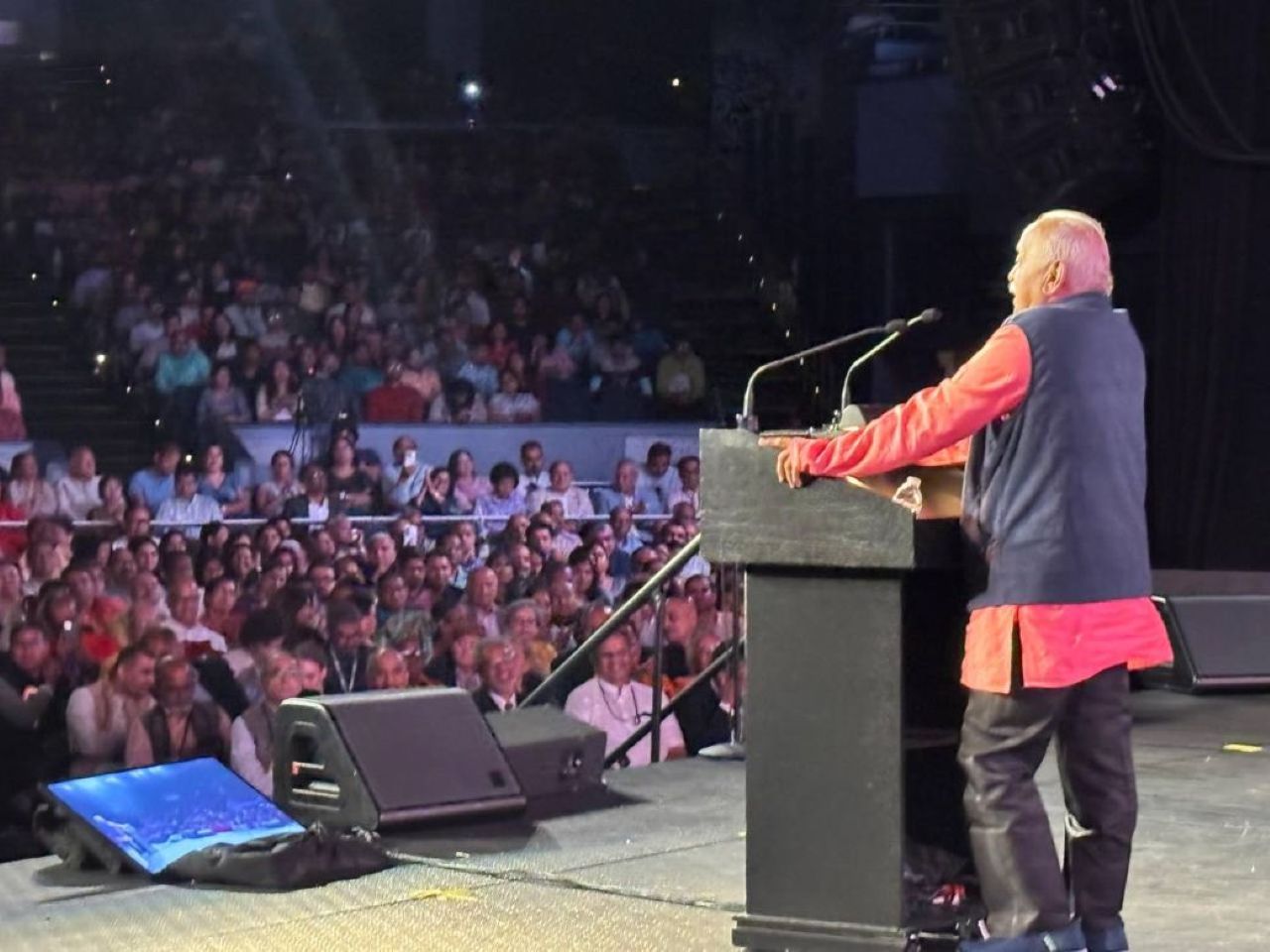
Influence cannot be manufactured through diaspora networks, carefully branded events or political donations. It requires honesty and credibility.
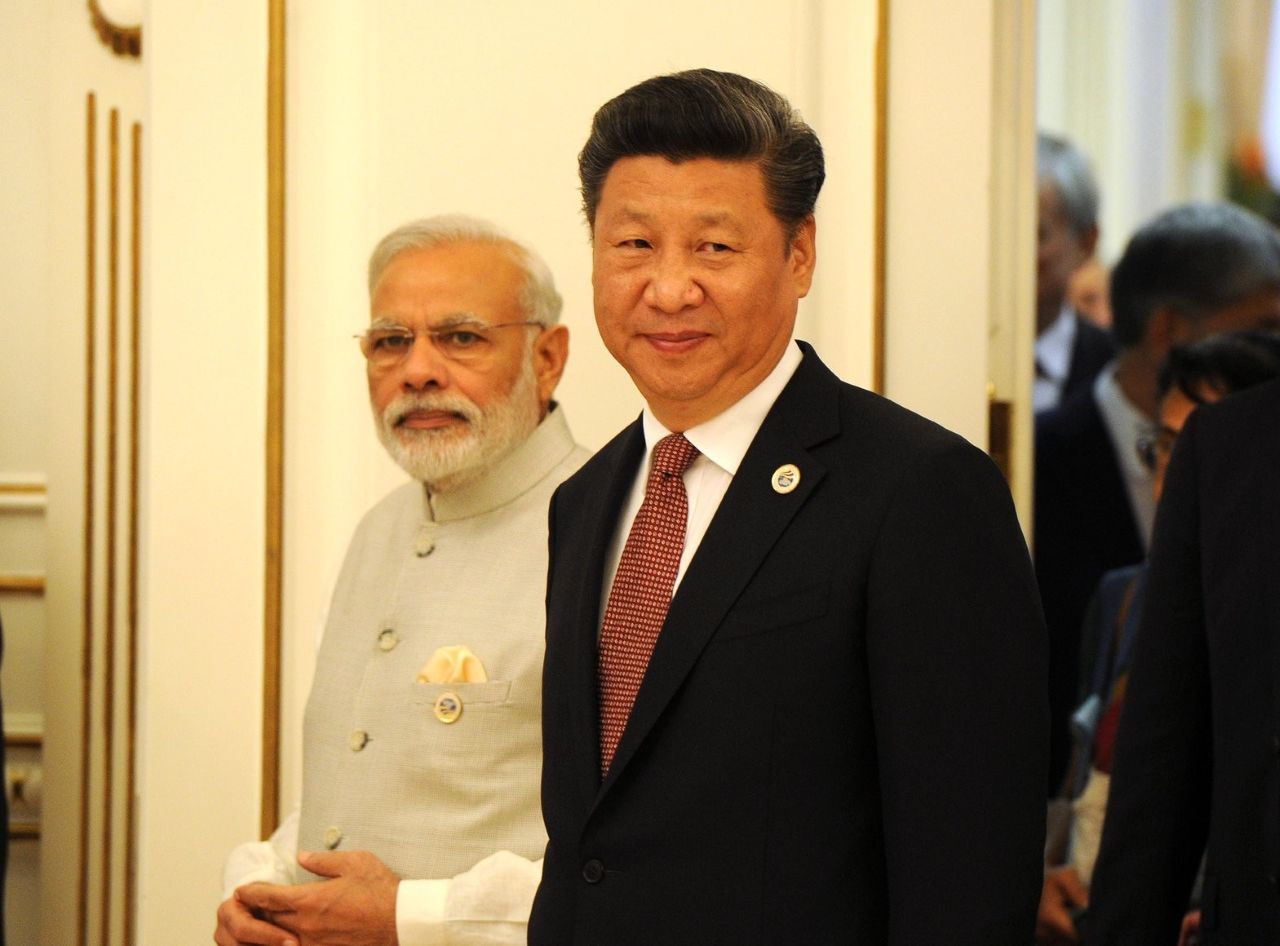
Chinese diplomats to India are saying all the right things for Indian ears, but Beijing’s policy actions are moving in the opposite direction.

India’s second-largest brokerage by active clients wants to handle IPOs as a merchant banker. But gaining a foothold in the highly competitive sector is easier said than done.
Influence cannot be manufactured through diaspora networks, carefully branded events or political donations. It requires honesty and credibility.
Chinese diplomats to India are saying all the right things for Indian ears, but Beijing’s policy actions are moving in the opposite direction.