/
•
•
Detailed stories on technology startups, business and economic current affairs.
The mobile payments system is a public good indeed, but zero transaction charges are not a viable solution.




On 17 August, the Reserve Bank of India issued a discussion paper where it sought feedback from stakeholders on whether charges on the Unified Payments Interface can be reintroduced. This was immediately followed by a statement from the finance ministry stating that the government for now is not planning any proposal to reintroduce any charges on the popular digital payments platform after some backlash on social media.
Since January of 2020, banks and payment operators have borne the cost of UPI while the service has been kept free for merchants and customers. In this period, UPI adoption has grown leaps …
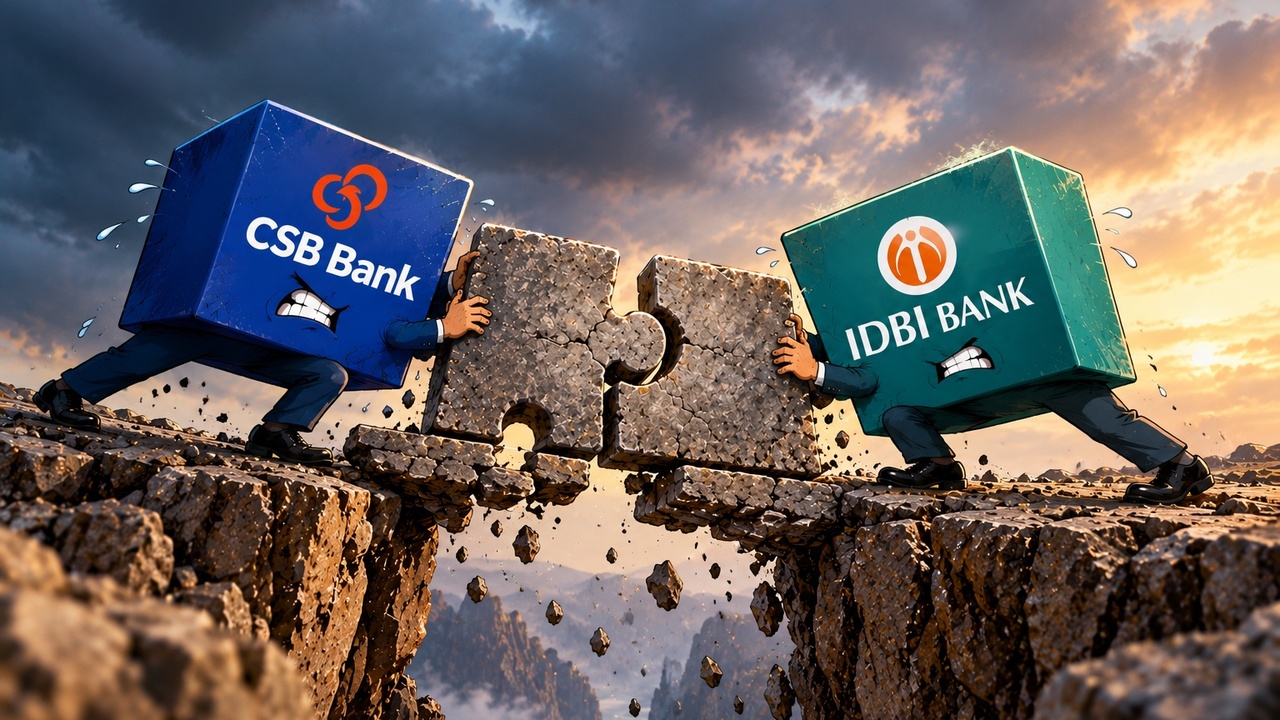
The acquisition of IDBI Bank puts his Fairfax smack dab in the middle of the RBI’s rules on bank ownership. It must now decide whether to sell CSB Bank or merge the two lenders, neither of which will be easy.

Lenders stand to gain a lot more than borrowers in the current challenging market environment
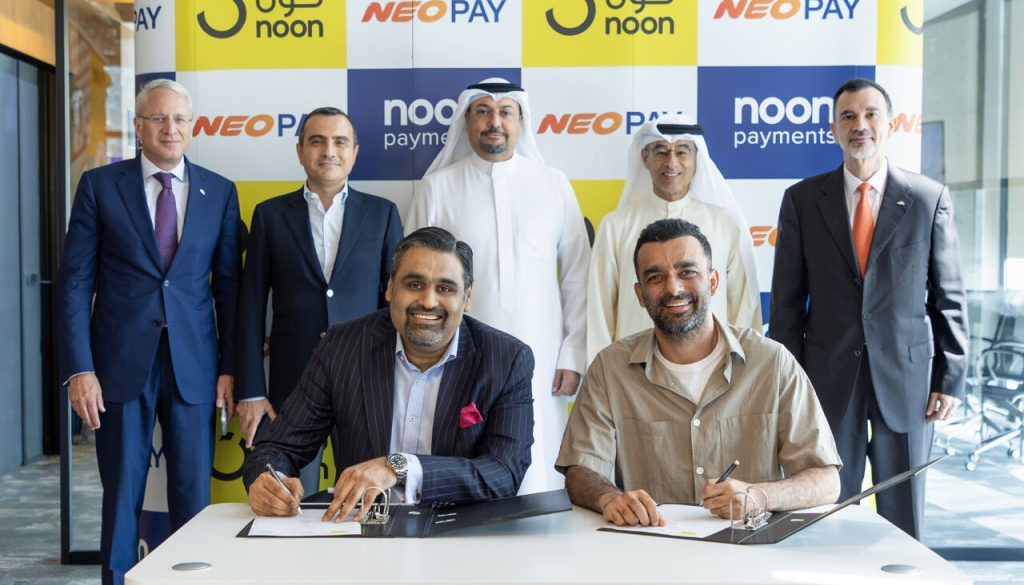
A local fintech deal to consolidate operations, feedback on Saudi Arabia’s proposed IPO rules, and Ras Al Khaimah’s casino economy.