/
•
•
Detailed stories on technology startups, business and economic current affairs.




In our little urban bubble that is people who shop online, Urban Ladder’s sale to Reliance Retail Ventures last week set off a sort of glum chain reaction. Many expressed surprise that the company went out with a whimper and not a bang, which was contrary to their own experience of buying furniture from the company. Where customers absolutely loved the product and the experience, and so imagined that Urban Ladder must be prospering, when in fact it was anything but.
Reliance Industries Ltd (RIL) has acquired online furniture seller Urban Ladder Home Decor Solutions Pvt. Ltd for ₹182.12 crore, …

Telecom and retail both continue with their ‘hit and miss’, while O2C delivers an unsurprisingly poor performance in Q4. This is a year RIL will be glad to see the back of.

Peak XV Partners is in a pickle. The loss of much of its senior India leadership has thrown up a familiar venture capital conundrum: how do firms reward and retain top performers in a business where a few big wins end up carrying the entire fund?
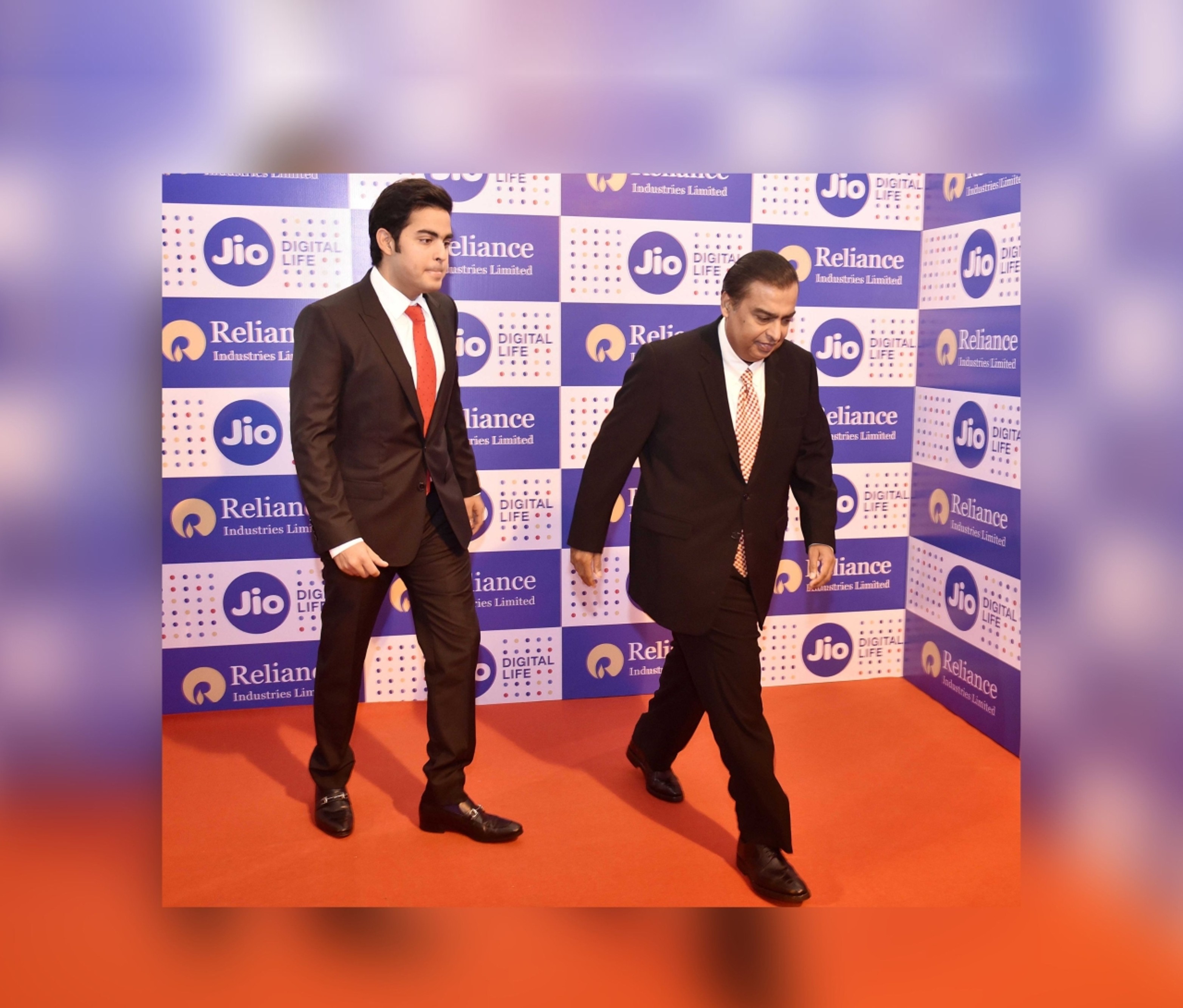
Telecom and retail, which account for half the conglomerate’s revenue and most of its valuation, aren’t accelerating fast enough to justify their price tags.