/
•
•
Detailed stories on technology startups, business and economic current affairs.
After shedding three-fourths of its market cap in the four months since going public, the company has tough decisions ahead.


A little over four months ago, digital payments giant Paytm—incorporated as One97 Communications Ltd—pulled off a Rs 18,300 crore initial public offering, India’s largest. The company raised Rs 8,300 crore, while existing investors sold shares worth Rs 10,000 crore.
All this happened at a price of Rs 2,150 per share. The stock, four months on, trades at about Rs 570—i.e., almost three-fourths of the company’s market value has been wiped out.
At the same time, the company saw losses widen 45% to Rs 778 crore in the December quarter, and earlier this month its payments bank unit was ordered not …
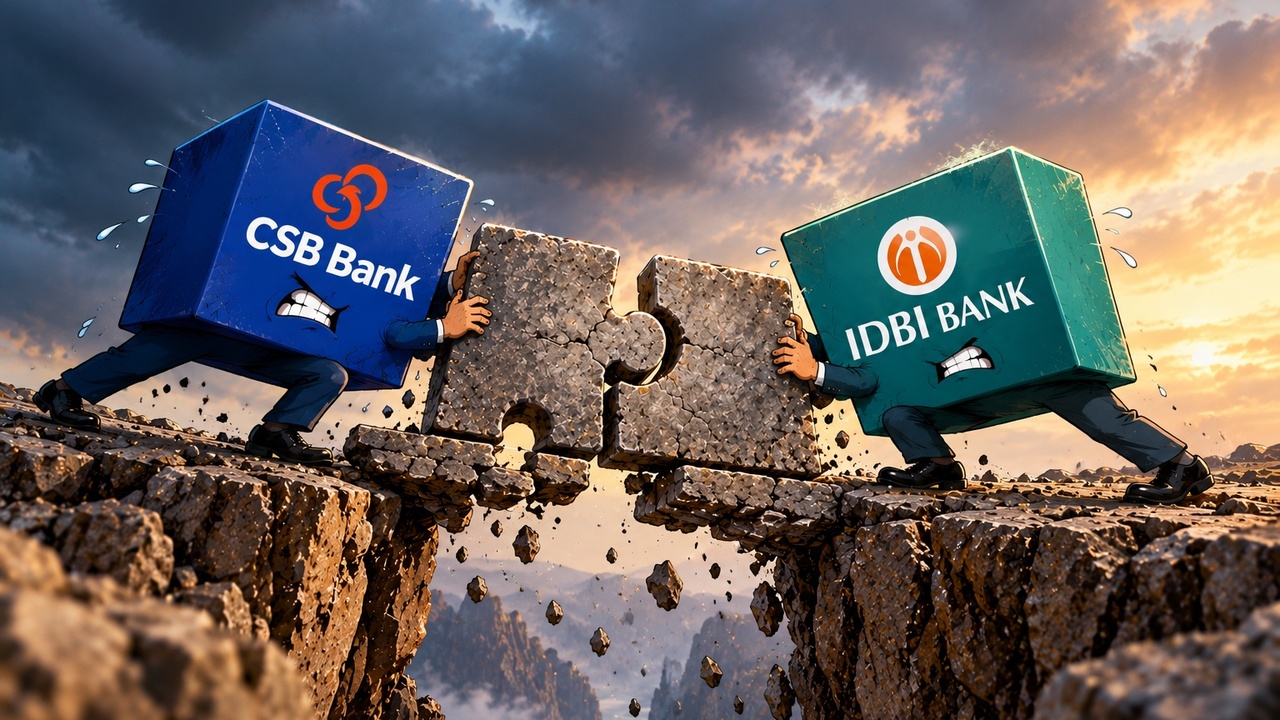
The acquisition of IDBI Bank puts his Fairfax smack dab in the middle of the RBI’s rules on bank ownership. It must now decide whether to sell CSB Bank or merge the two lenders, neither of which will be easy.

Lenders stand to gain a lot more than borrowers in the current challenging market environment
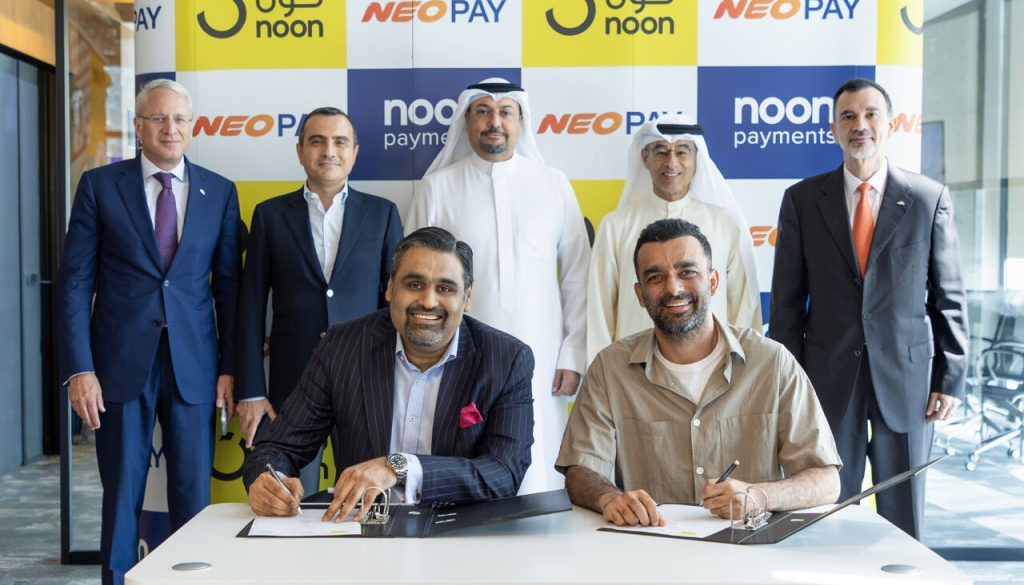
A local fintech deal to consolidate operations, feedback on Saudi Arabia’s proposed IPO rules, and Ras Al Khaimah’s casino economy.