/
•
•
Detailed stories on technology startups, business and economic current affairs.
The good, the bad and the ugly of Reliance Industries’ hyperlocal retail ambitions post-Facebook



Editor's note: There are many aspects to Facebook Inc.’s $5.7 billion minority investment into Jio Platforms, the parent company of India’s biggest telecom operator. In our note on the day the transaction went public, we noted that the partnership “needs to complete the elusive triad of community, commerce and payments”. With an unmatched number of users compared to anywhere else in the world, it makes sense for both Facebook and Reliance/Jio to bet on e-commerce. For Facebook it can serve as a proof of concept that WhatsApp can be monetized; for Reliance it is a natural progression as its retail arm is already the biggest in India and it continues to move from the high-margin refining and petrochemicals business to lower-margin, high-valuation consumer tech businesses. Mukesh Ambani, chairman of Reliance Industries Ltd, confirmed as much when he said that “JioMart – Jio’s digital new commerce platform, and WhatsApp – will empower nearly 3 crore small Indian Kirana shops to digitally transact with every customer in their neighbourhood”. It is easy to get overwhelmed by the sheer scale of the partnership and the …
The good, the bad and the ugly of Reliance Industries’ hyperlocal retail ambitions post-Facebook
Editor's note: There are many aspects to Facebook Inc.’s $5.7 billion minority investment into Jio Platforms, the parent company of India’s biggest telecom operator. In our note on the day the transaction went public, we noted that the partnership “needs to complete the elusive triad of community, commerce and payments”. With an unmatched number of users compared to anywhere else in the world, it makes sense for both Facebook and Reliance/Jio to bet on e-commerce. For Facebook it can serve as a proof of concept that WhatsApp can be monetized; for Reliance it is a natural progression as its retail arm is already the biggest in India and it continues to move from the high-margin refining and petrochemicals business to lower-margin, high-valuation consumer tech businesses. Mukesh Ambani, chairman of Reliance Industries Ltd, confirmed as much when he said that “JioMart – Jio’s digital new commerce platform, and WhatsApp – will empower nearly 3 crore small Indian Kirana shops to digitally transact with every customer in their neighbourhood”. It is easy to get overwhelmed by the sheer scale of the partnership and the …
The Walmart-owned e-commerce company has entered microdramas and food delivery. Is it thinking long-term or just chasing a trend?
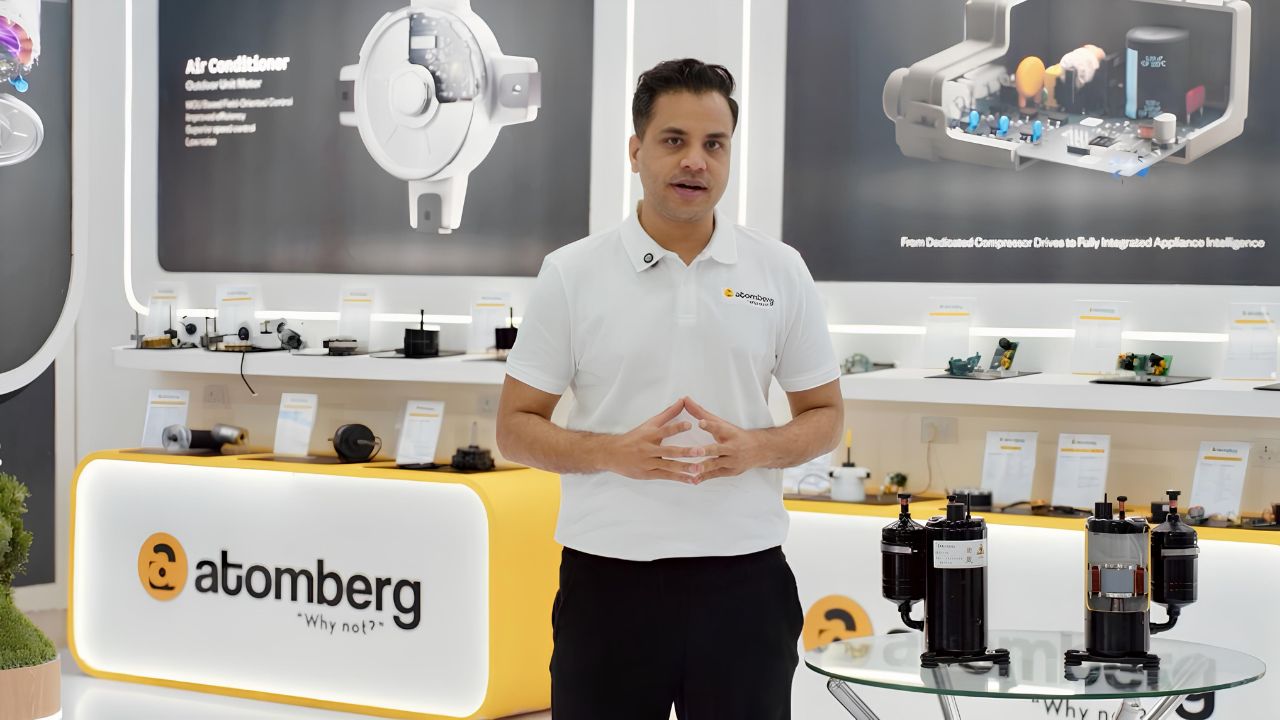
As the smart fan maker gears up for an IPO, prospective investors could do with some clarity on what the company’s next phase of growth will look like.
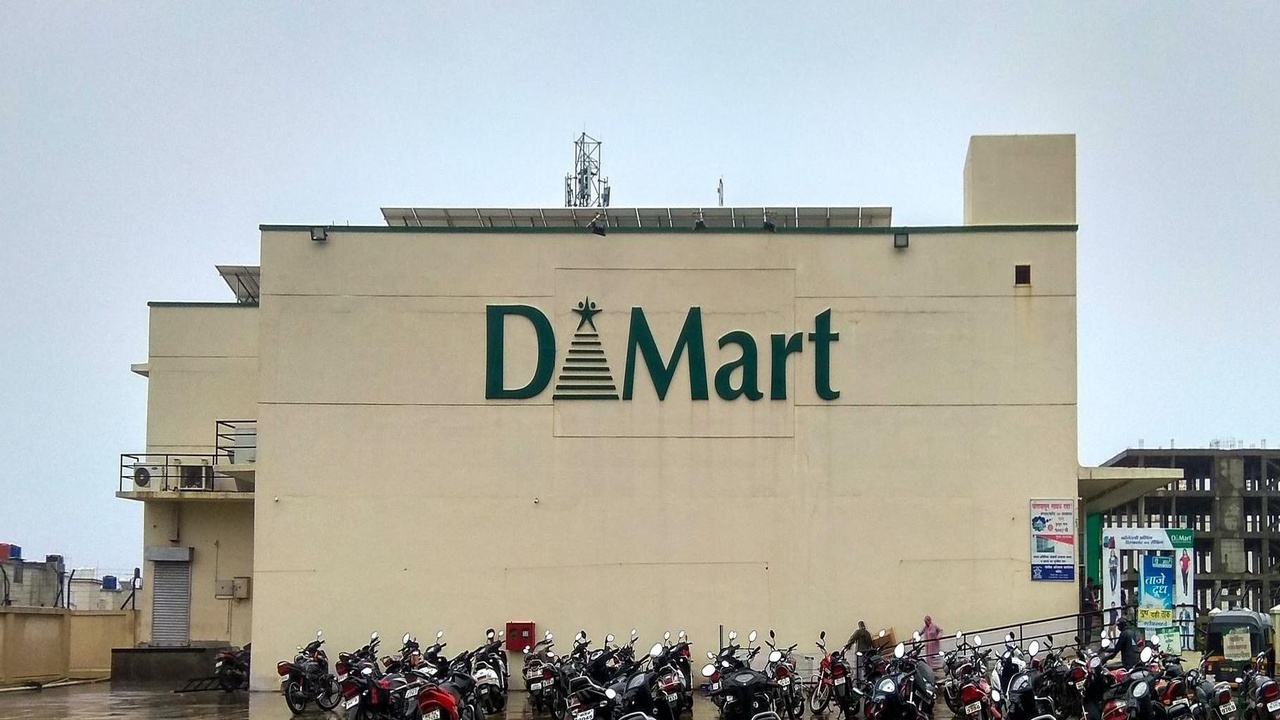
The retailer has shrunk operations to fix its loss-making vertical. But a reduced presence risks hurting volumes in a segment dominated by Blinkit and Instamart.
The Walmart-owned e-commerce company has entered microdramas and food delivery. Is it thinking long-term or just chasing a trend?
As the smart fan maker gears up for an IPO, prospective investors could do with some clarity on what the company’s next phase of growth will look like.
The retailer has shrunk operations to fix its loss-making vertical. But a reduced presence risks hurting volumes in a segment dominated by Blinkit and Instamart.