/
•
•
Detailed stories on technology startups, business and economic current affairs.
Machine learning and algorithmic muscle aside, there’s plenty of human intervention that goes into mapping India’s roads, buildings and landmarks.



The boyish voice on the other end of the line has a tell-tale Telugu inflection. It belongs to someone who used to work 10 minutes away from Google’s Hyderabad campus. The company that employed him was GlobalLogic, an offshore vendor for a handful of mapping services, including Google Maps, TomTom, and HERE. He asks not to be named, so we’ll call him M for attribution.
One had contacted a swathe of former and current GlobalLogic analysts—that’s what mapping operators are called—after learning that not everything in Google Maps is the end result of juiced-up machine learning. M is one of …

India’s second-largest brokerage by active clients wants to handle IPOs as a merchant banker. But gaining a foothold in the highly competitive sector is easier said than done.
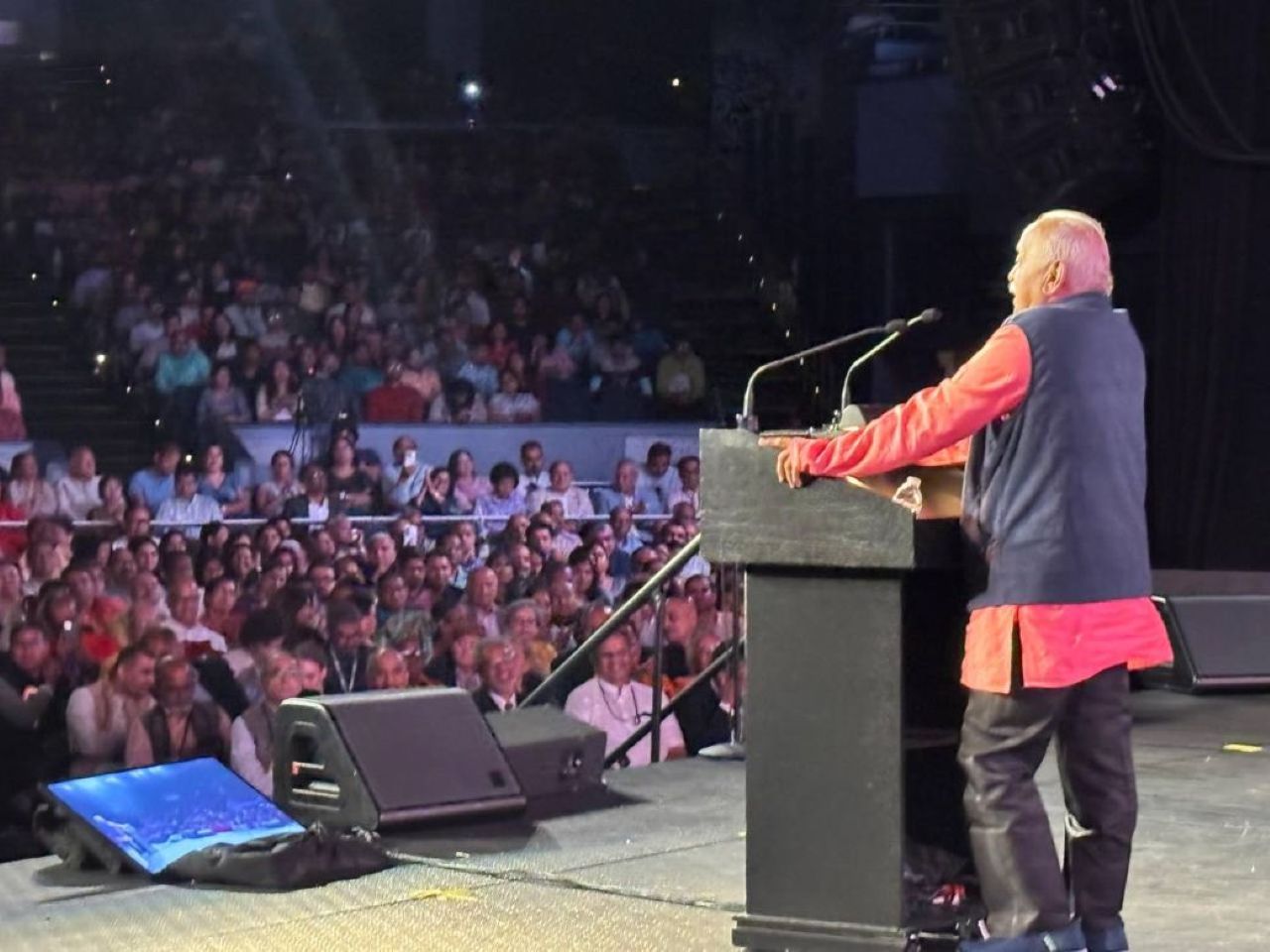
Influence cannot be manufactured through diaspora networks, carefully branded events or political donations. It requires honesty and credibility.
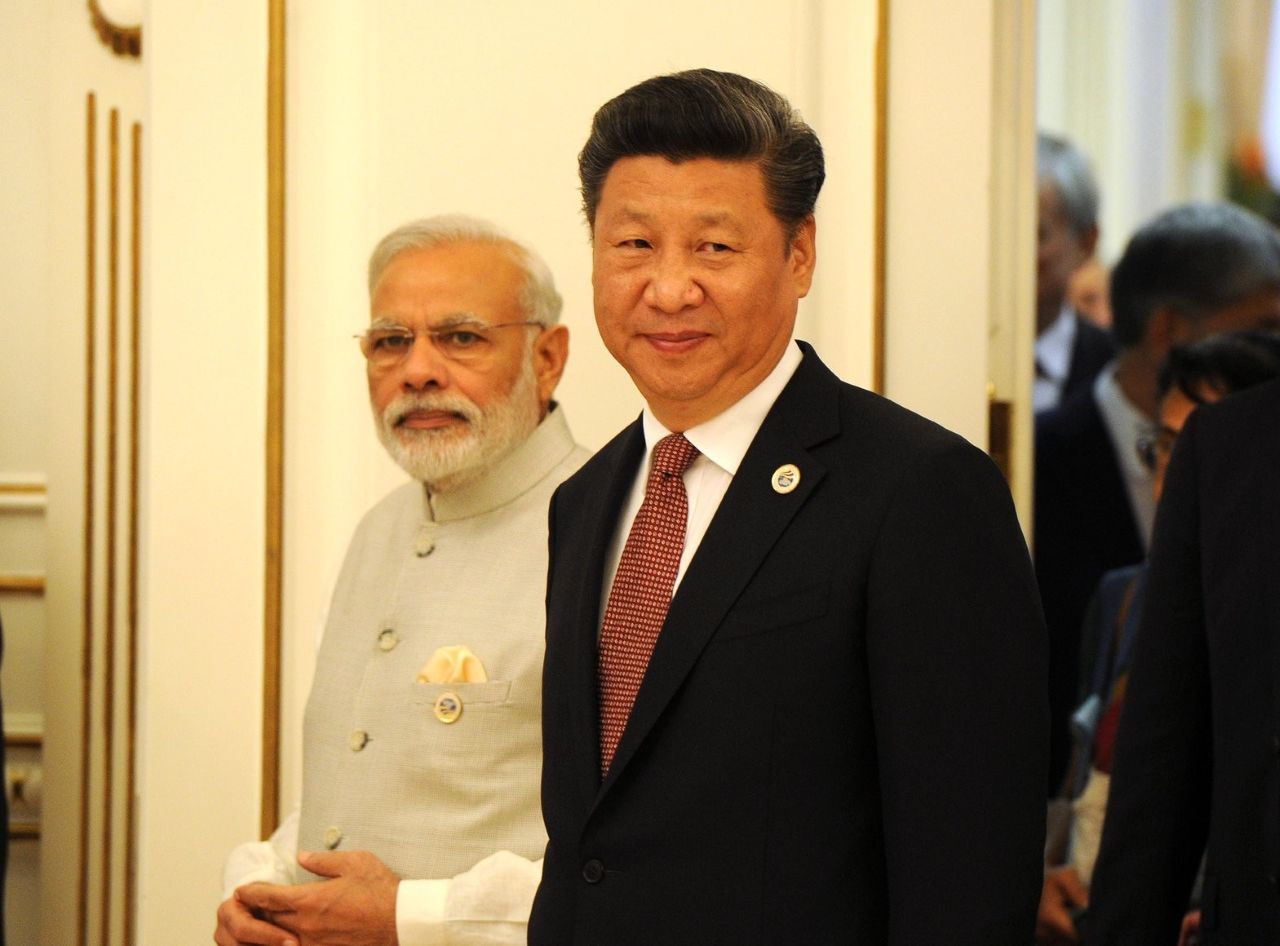
Chinese diplomats to India are saying all the right things for Indian ears, but Beijing’s policy actions are moving in the opposite direction.